• Skip to primary navigation
  • Skip to main content

Western Chandelier

  • Buying Guides
  • Styles & Trends
    • Bathroom Lights
    • Ceiling Fans
    • Ceiling Lights
    • Lamps
    • LED Lights
    • Outdoor Lights
    • Smart Lights
    • Wall Lights
  • Wellness & Safety
  • Shop Products

admin

What to Expect When Visiting a Lighting Showroom

What to Expect When Visiting a Lighting Showroom

by admin · Aug 16, 2023

Have you ever purchased something online only to have it arrive looking very different than you expected it to, or it just didn’t look as good in your space as you thought it would? Have you ever purchased an item at the store based off the image on its packaging only to be disappointed by the poor quality once you got it home and unwrapped?

There’s no substitute for being able to see, touch, and try out an item before making a purchase. This is true for any purchase, but it’s especially important when you’re buying things for your home! Your home needs to be somewhere you’re comfortable and can feel relaxed – and good lighting is absolutely essential to creating that environment! 

Don’t leave your lighting purchases up to chance. If you’ve never been to a lighting showroom before, here are a few things you can expect to happen on your next visit. 

Huge Selection of Quality Fixtures

When you shop online, it can be overwhelming and frustrating trying to sort through all of the options to find something you like, and it’s always a gamble as to whether it will look right once you get it. 

Lighting showrooms specialize in one thing: getting you the perfect light for your home. We have access to thousands of lighting options, and our lighting experts can help you sift through it all to find exactly what you need – without hours of frustrating internet searches. 

Showroom owners are choosy about what they’ll offer to customers, so you won’t have to worry about getting a dud. 

See Everything in Person

When buying light fixtures, you’re usually trying to set up an entire room with balanced needs. Unless you are a trained interior designer (and even if you are), it’s very difficult to gauge style, size, space, and balance just from a picture. 

Fixtures look really different when they’re off and on, and the way they cast light can change the feel of a space. It’s also hard to see small details and textures on finishes. Being able to see the light in person before buying can save you the headache of having to return a dark brown fixture you thought was black or a lantern that casts shadows you weren’t expecting. 

Personalized Expert Advice

Most DIY homeowners and interior designers know what it feels like to thoroughly research and still feel dissatisfied with the end result. It doesn’t matter how many how-to videos you watch – the person on the other end can’t give you personalized advice specific to your project. 

With something as crucial to your design as lighting, it’s a really good idea to check over design plans with an expert on the topic before you get started. 

When you stop in at our showroom, our lighting experts can teach you how to select the right bulbs for your needs, get the best light fixture for your money, and instruct you on proper installation, all as a regular part of your shopping experience. You won’t get that level of personalized expertise anywhere else!

Better Value for Your Money

Many believe that lighting showrooms charge “boutique” prices that are much higher than you’ll find online or at the hardware store. This simply isn’t true. When you visit a showroom, you’ll find that showrooms charge comparable prices to other fixture suppliers, and they have higher quality pieces.

———————-

Let’s Recap

When it really gets down to it, if you’re shopping online or at a hardware store, you’re gambling on quality and not getting the best value for your money. 

The next time you’re shopping for lighting, make sure you include a lighting showroom in your process. When you shop at a showroom, you can see what you’re buying before you take it home. When you factor in the free expert advice, the higher quality fixtures, and the time saved, you’re actually paying less to get exactly what you need for your home. 

———————-

Ready for your showroom experience? Check us out at Western Chandelier! 
Filed Under: 2022

2023 Interior Design Trend: Creating a Cozy House that Feels Like Home

2023 Interior Design Trend: Creating a Cozy House that Feels Like Home

by admin · Aug 9, 2023

It’s 2023 and this is your wake-up call! Your home needs you – it’s ready for a refresh! This year, we’re all looking for a respite from the stress that always seems to work its way in. Designing a comfortable home will make you feel the extra happiness and productivity you’ve been in desperate need of. These 3 expert tips will make your home a haven you’ll be itching to get back to at the end of the day!

1. Choose a Soft Color Palette

It’s no secret that colors have a huge effect on your mood and the feel of a room. These rooms knock the color palette out of the park without sacrificing personal style or comfort. Achieving a soft color palette doesn’t have to be difficult – go with neutrals, a pop of color, or choose a monochromatic color scheme and you’re set!

Neutrals

A neutral color palette seems like an obvious choice when you’re going for comfort, but it can be tough to pull off – without color, other elements like texture or shapes will have to do the heavy lifting.

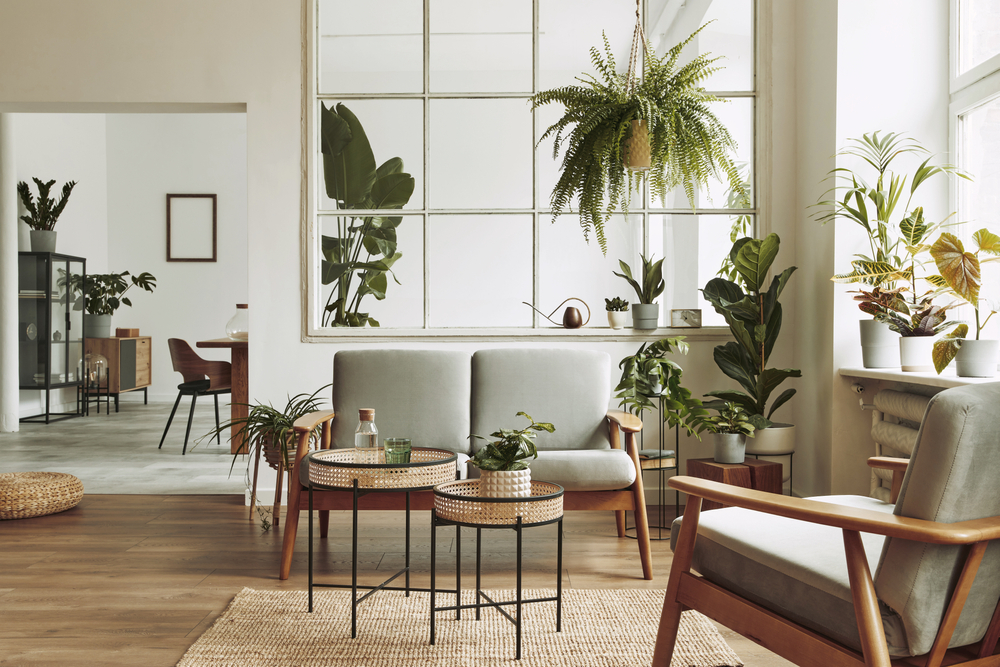
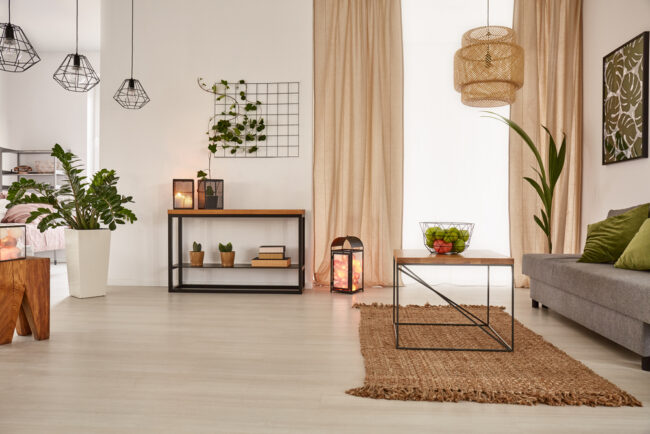
The heavyweight champions here are definitely the plants! Adding some green to an otherwise neutral-heavy space brings some life and vibrance without destroying the tranquility you desperately need. Finishing this look with a variety of textures and shapes from the hard wood edges to the pair of round tables to the woven area rug makes this space feel comfortable, creative, and cozy.

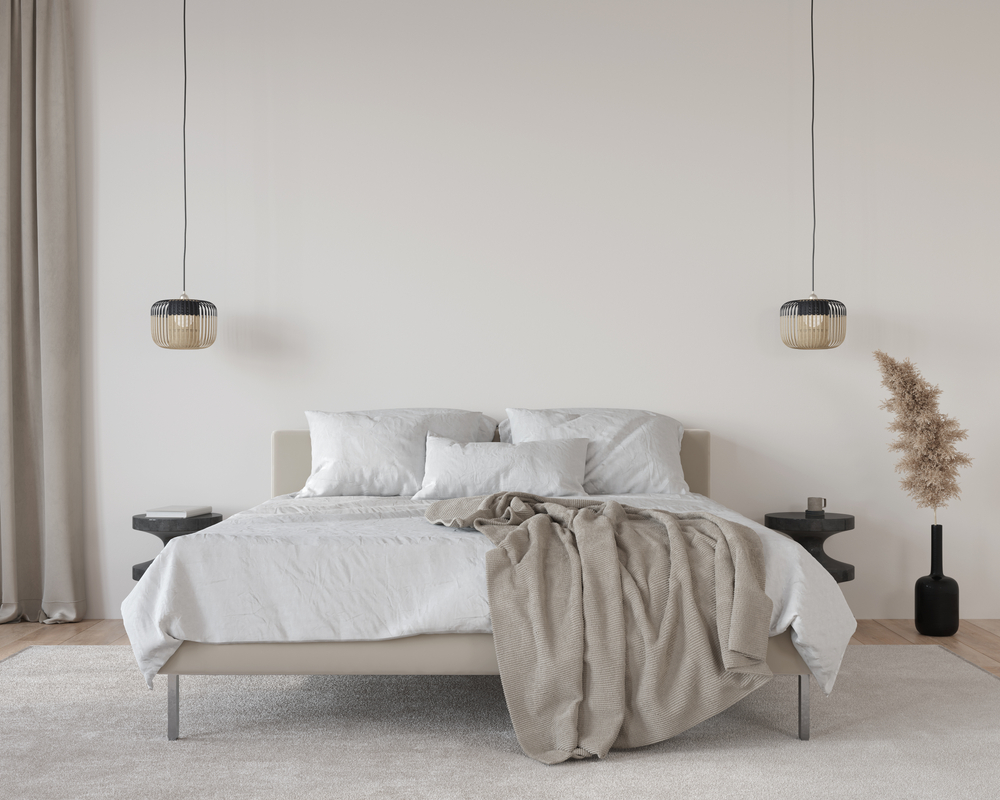
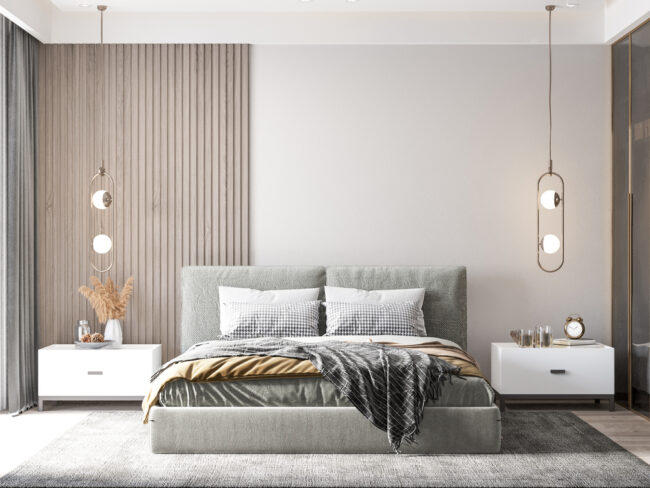
This neutral bedroom incorporates beige and white with black accents to ground the space. The night stands with pendants hanging above elevate the space, giving you lighting and a gorgeous focal point! We love how this space feels lived-in without looking cluttery. With neutral tones, the soft textures of the rug and blankets are what make this room feel comfortable and cozy.

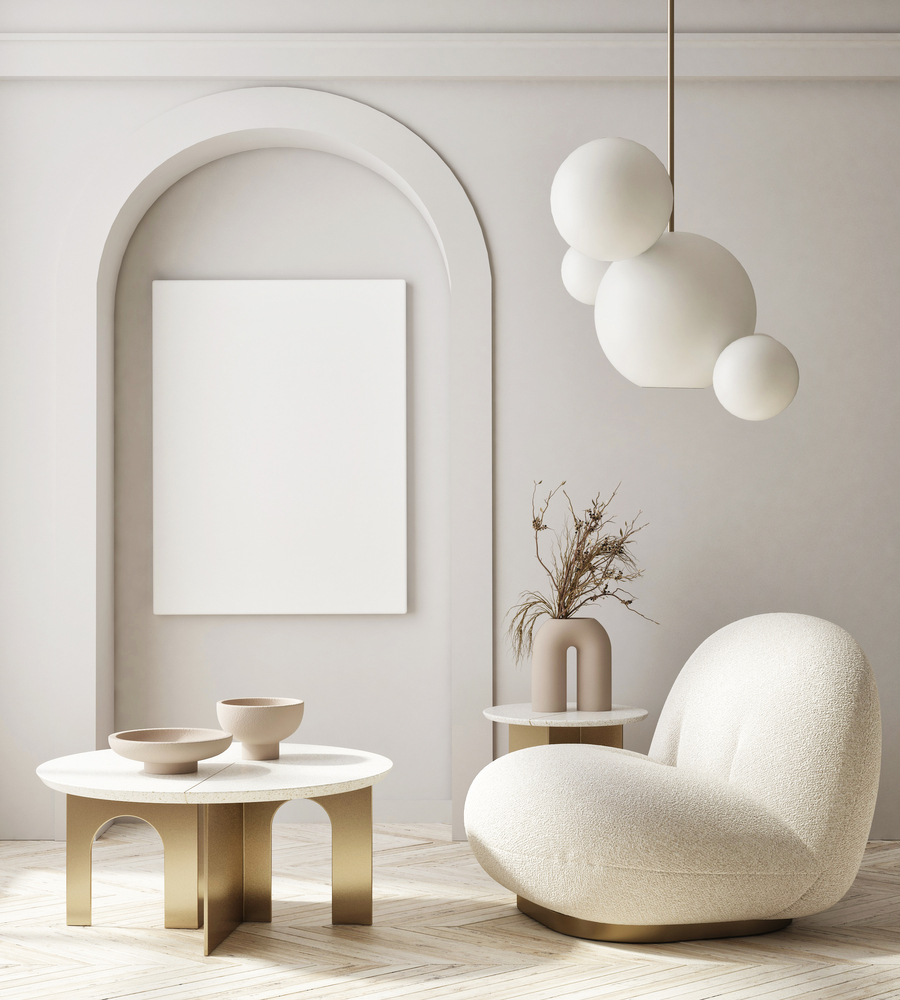
Picking a neutral color palette for this sitting area really make the shapes shine. We love how arches are carried throughout the design from the furniture to the architecture. This chair looks like a cloud and with the gorgeous light above it, anyone sitting here would feel like they’re in the heavens!

Pop of Color

A cozy home doesn’t have to be colorless! If neutrals don’t speak to you, try mixing them with a pop of color. It’ll give your room some excitement, but not so much that it’ll feel busy or chaotic.

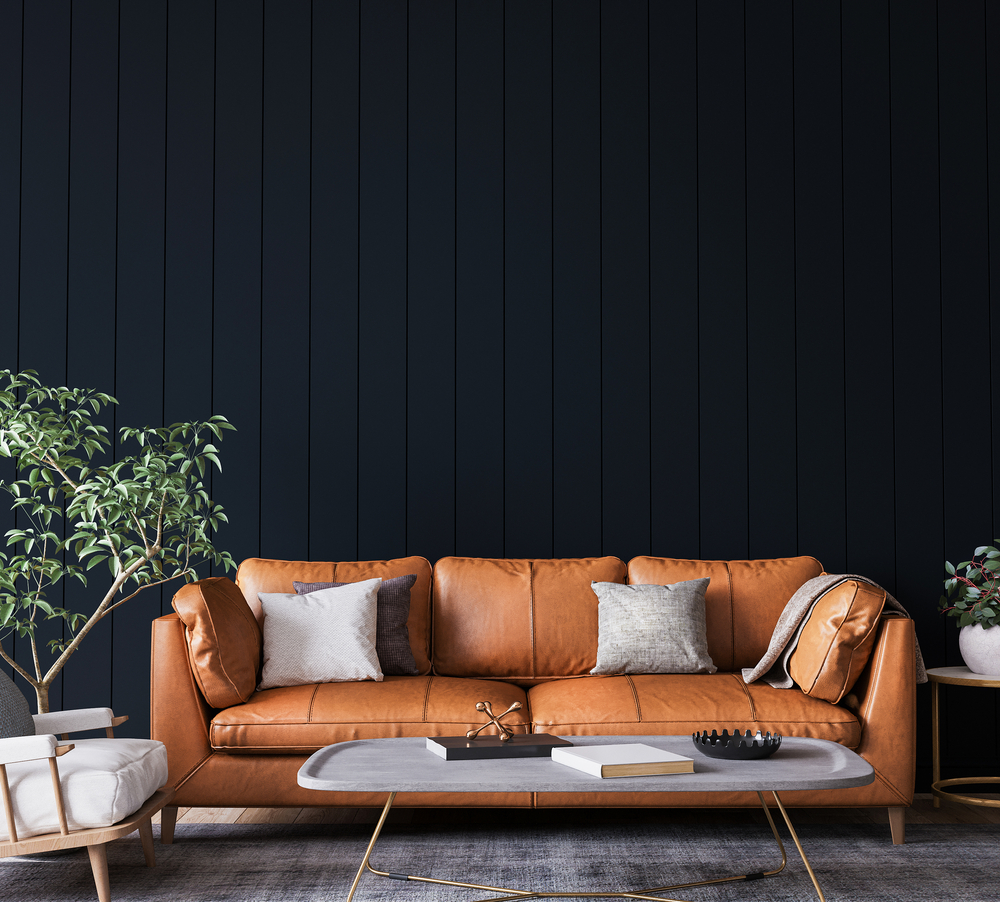
This living room took a bold color and ran with it. The navy blue is a stunning contrast to this cozy tan leather couch. If we could copy and paste this look into our homes, we would! The neutrals pop against the accent wall and we couldn’t be more obsessed.

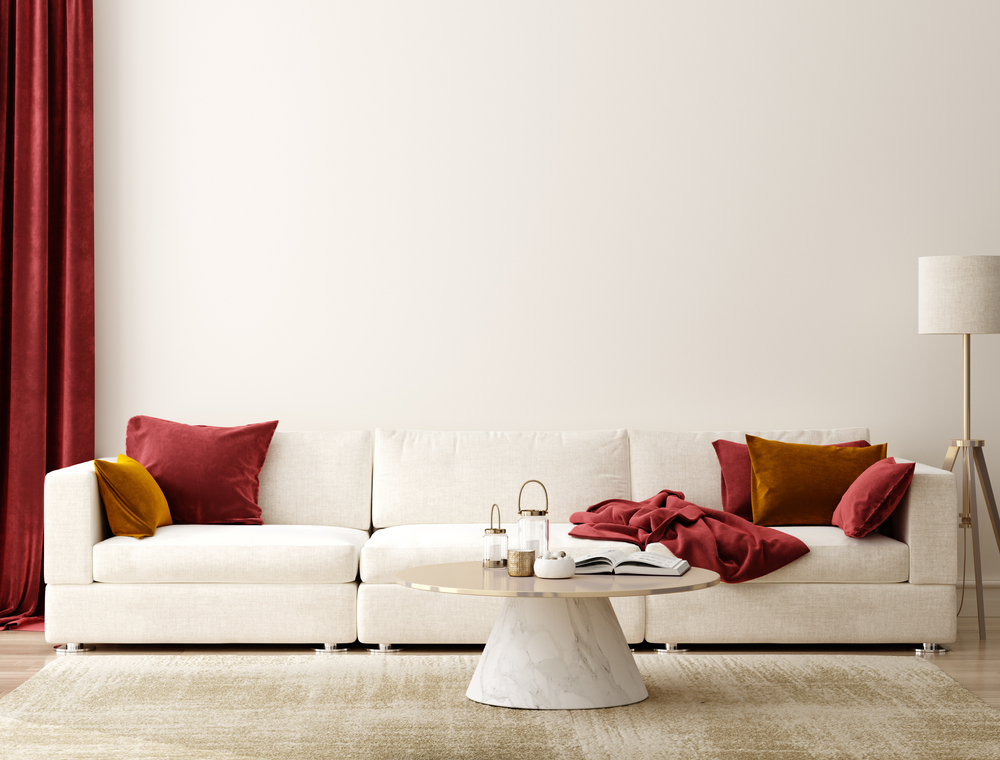
These red velvet pillows and drapes contrast with the neutral room and bring in some cozy texture. The bright colors spice up what might otherwise feel like a bland living room.

Monochromatic 

Choosing a monochromatic color scheme is a 2023 trend we love. It’s bold, but still soft. In a true monochromatic space, there isn’t extra visual stimuli for your brain to process. This gives your brain a sense of peace and calm you may not feel in a room with more going on in terms of color. These rooms use a simple color palette and the effect is cozy with a touch of elegance. 

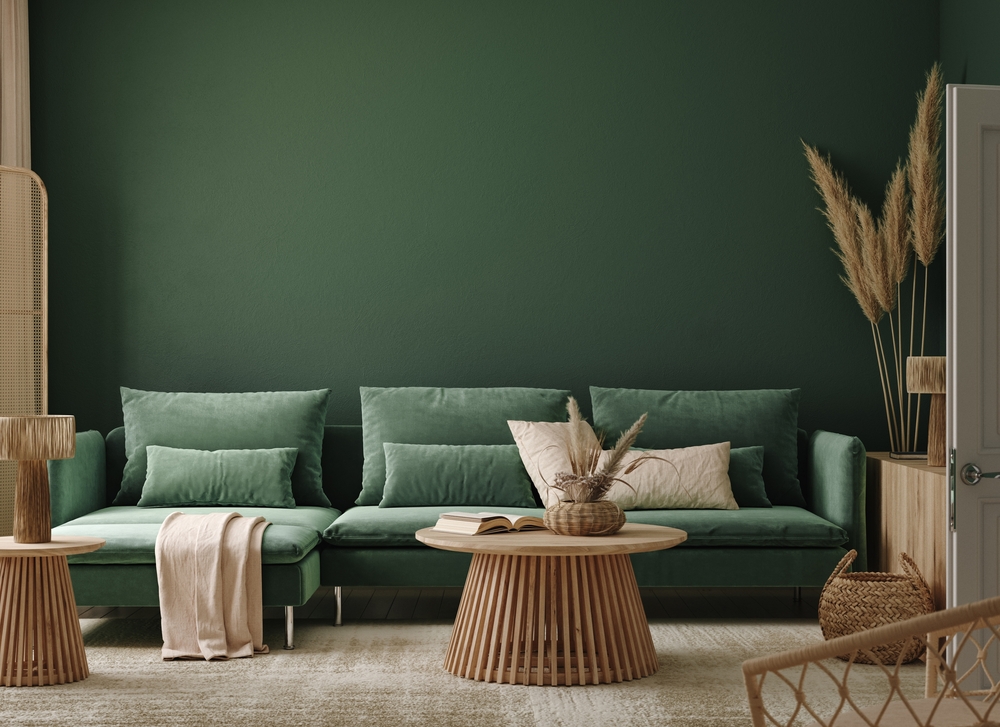
Green is one of the most soothing colors. It can bring a sense of peace and harmony to your home. This couch and wall combo is no exception! Choosing to pair them with beautiful browns makes this sitting room look like it was plucked straight from nature, then given a facelift.

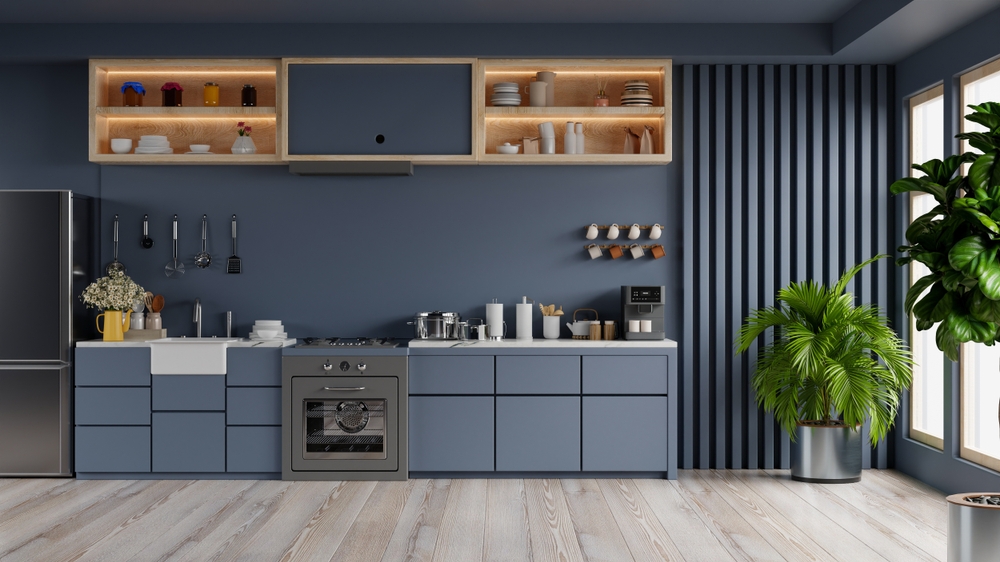
This kitchen uses the monochromatic color scheme to make it look bigger than it is. We especially love that extra wood cabinet with accent lighting both for functionality to store more and for decorative purposes. The calming blues make this a space you’d want to do some stress-baking in!

2. Add Soft Textures

Texture is a vital tool in an expert’s tool belt, especially when comfort is your end-goal. A space can be gorgeous, but if it feels like a place your grandma will yell at you for touching anything in, it won’t really feel comfortable. Texture is what takes a space from formal and austere to a beautiful, cozy space you can actually live in.

There’s no question this bedroom is gorgeous, but it also feels like a space you could spend time in without completely messing it up. The intentionally unkempt linens on this corner of the bed add simulated texture that makes it feel like home. We also love the green velvet accent pillow and floor pillows for an extra cozy touch! A lamp and pendant allows you to have dimmer or brighter lighting to accommodate your changing needs.

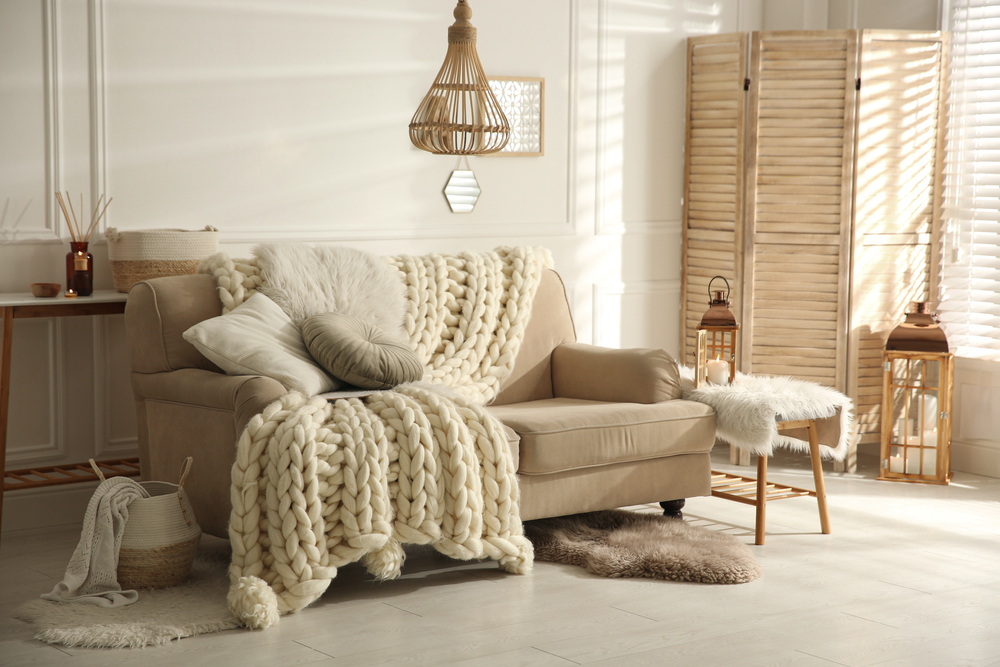
There is no world where a chunky-knit blanket and lots of pillows won’t scream comfort. The touches of fur on the rug and the side bench give it an extra dose of coziness. Anyone would love to curl up and hibernate here all winter! Light a few candles in the lanterns and switch on the pendant for the perfect reading spot at night.
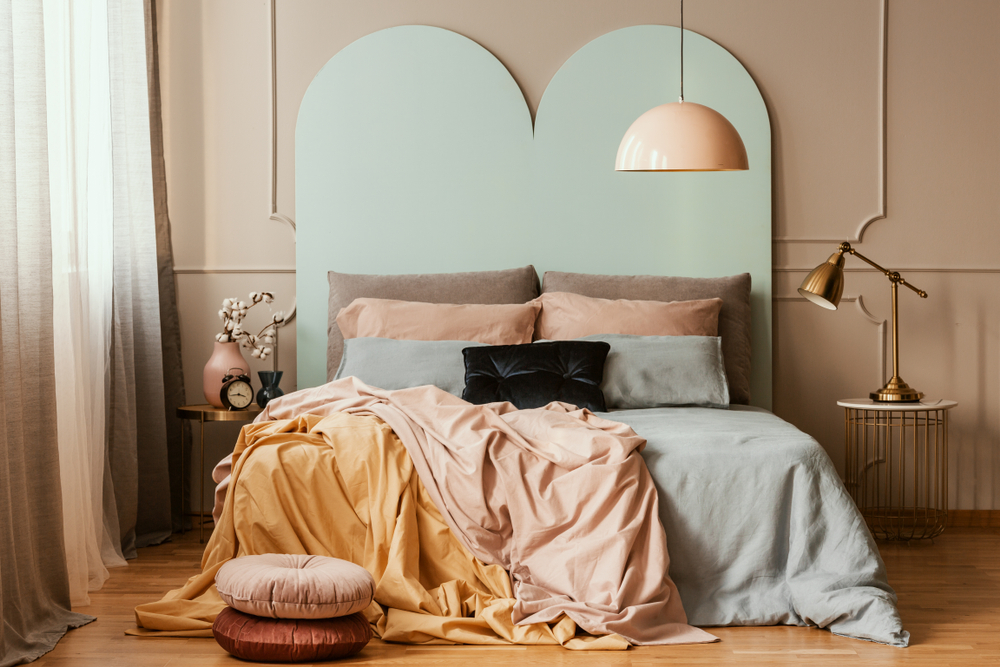
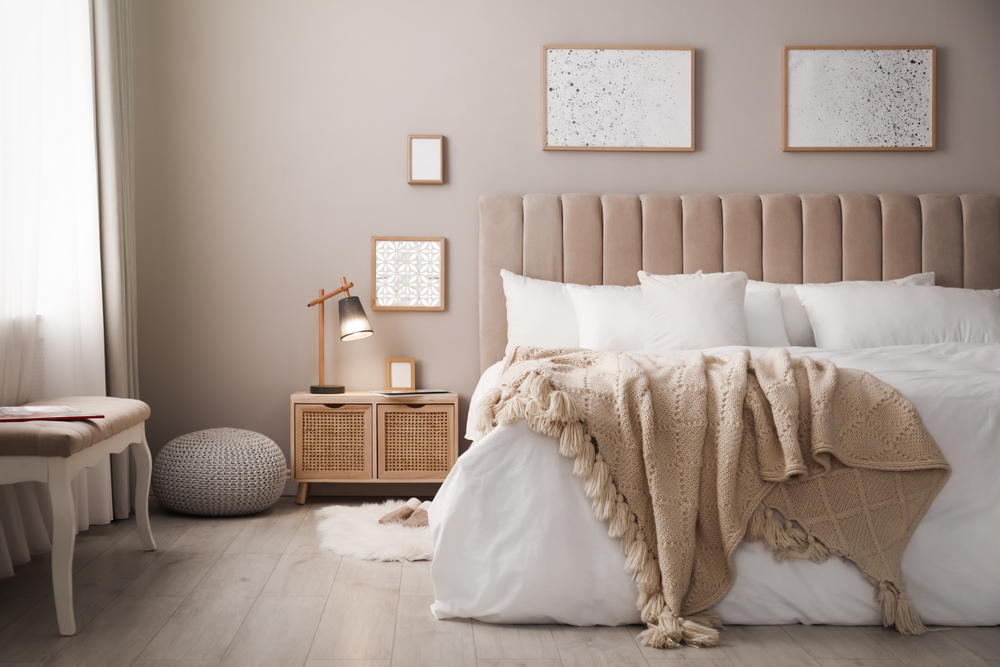
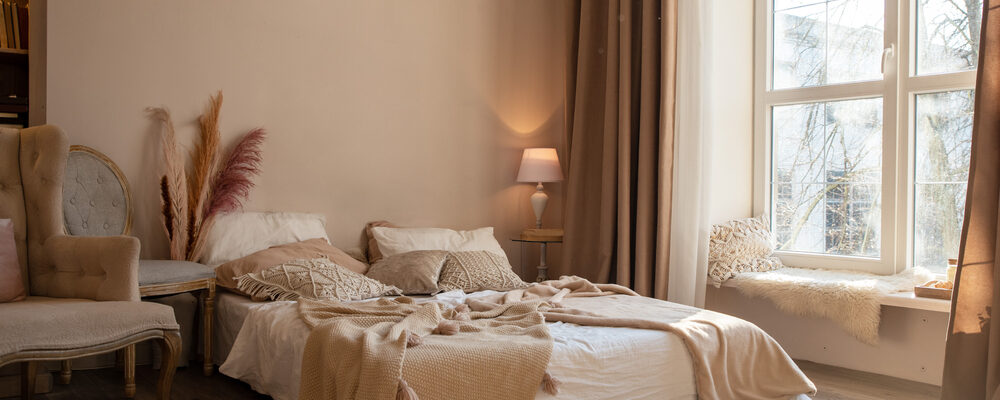
This feminine bedroom is a corner of paradise! The colors are soft and gorgeous, but the textures are what really make this space magical. The velvet headboard brings delicate softness to the space. The textured pouf and cane-detailed night stand here are working overtime – and they should get paid for it! They bring elements of texture and give some seating and storage space. The blanket and soft rug are the finishing touches that would have anyone making excuses to retreat here for peace and quiet.

3. Soften Your Lighting

Harsh lighting is the opposite of comfortable! It’ll leave you with a headache and can actually make it harder for you to sleep at night. To bring in some much-needed comfort, you’ll need to soften up your lighting. In a room with soft lighting, the transition from light to dark is gradual and easy on the eyes. Avoid harsh shadows and balance your lights out using these three tips and your eyes and mood will thank you!

Dimmable Lighting

Switching to dimmable lights is a relatively simple way to soften your lights and make your lighting customizable. This cozy room is the perfect place to recharge your batteries. Dim the lights 2 hours before bed to help yourself sleep better, then brighten them in the morning to jump start your mood and your day!

Layer Your Lights

Layering your lighting is a fool-proof way to give you adjustable light. Every room in your house should have at least a few light sources to make it feel more comfortable and eliminate any dark corners. Adding a few lamps across a room and some pendants will give you flexibility to have more or less light depending on your need and mood.

Accent Lighting

Accent lights are the finishing touches that make a room feel complete. They’re the piping on top of the icing on the cake! Adding them makes a room instantly feel warmer and more comfortable. Plus, they soften up your lighting by eliminating harsh shadows in areas that might otherwise go overlooked. Put sconces on an empty wall, strip lighting under cabinets like in this kitchen, or pendants above conversation areas. A room with warm, balanced lighting is a guaranteed ticket to having the relaxing ambiance you need for comfort.

—

Listen, it’s 2023 and it’s time you started living your life in comfort! Choosing to design a cozy home is about more than just aesthetics. It’s about overall wellness! You deserve to live in a home you love, so it’s time to get started. With a little inspiration, the expert tips above, and help from Western Chandelier you’ll be set! Give us a call and we’ll help you soften your lighting and give your home the extra relaxing boost it needs.

Filed Under: 2023, Styles & Trends

Top Tips to Lighting Every Room of Your Home

Top Tips to Lighting Every Room of Your Home

by admin · Aug 2, 2023

Many homeowners fall into the trap of relying on paint and mirrors to lighten up a room. While these are tricks that work, they’re just bandaid fixes that ultimately limit your design options. One of the best ways to make your house a home is to have great lighting in each room. And just as every room has a different function, and they all have their own lighting needs. 

Don’t worry, it’s not as complicated as it sounds! Getting the best lighting set up is almost always a simple undertaking, and this is something that can be done on any budget.

Set aside some time to do a tour of your home, looking specifically for places where your lighting just isn’t doing you any favors. To help you out, we created a checklist you can use to find what’s missing. 

  • Front Exterior
  • Entry
  • Living Room
  • Kitchen
  • Dining
  • Bathrooms
  • Office
  • Bedroom
  • Backyard

Front Exterior

The front of your house carries a lot of weight. It’s what you drive up to, what your friends and family see first, and plays a big role in your relationship with your neighbors. It also is the first line of defense against intruders. If your curb appeal is lacking, look for these things:

  • A well-lit door: What’s better than coming home to warm, golden light washing over your front door? If your exterior feels dim or dingy, you’d be surprised at how dramatic a transformation you’ll get when you replace the fixtures by your door.
  • Sidewalk lights: Keep you and your visitors safe with sidewalk lights leading to and from your home. They also add a little fairy light magic to your home!
  • Motion sensor flood light: Any motion sensing light is a great way to increase your home’s safety. Flood lights are an added bonus, as sudden bright light usually scares off intruders – whether human or pest.

Entryway

Crossing the threshold is an important moment. When you walk through the door, you’re looking for a place to relax and be yourself after work, running errands, or shuffling the kids to activities. Your entryway sets the tone for your home for you and your for your guests – don’t skip out on the lighting in here! 

  • Buffet table catch-all: Use a lamp on a buffet table to make it easier to take off shoes after a late night. Small space? Use reflective finishes to add some extra light.
  • Smart lighting for smooth entry: Smart bulbs can be set to a schedule to keep your entryway ready at all times. Some can even turn on automatically when you arrive, or respond to voice commands when your hands are full.
  • Wall/Ceiling Lights: If your entryway feels to dim or too harsh, try swapping out the bulbs in your fixtures with LEDs with a different lumen count (measures brightness) or a different light “temperature”. (Warm/soft white bulbs make you feel cozy and comfortable, and bright/daylight bulbs will make you feel alert.) Some smart bulbs can even switch back and forth with the help of a small remote or a smart home hub.

Living Room

Your living room is the hub for comfy entertaining and family relaxing. You need it to be well-lit but still cozy. Consider these:. 

  • Ditch boring fixtures: You living room is a great place to choose more decorative fixtures. Find something that speaks to your soul and swap it out. It’ll instantly boost your mood every time you walk into the room! 
  • Mood lighting: Nail mood lighting by making sure you have light coming from more than just a single overhead light. Lamps and sconces shine a quiet, cozy light when the main light is off – perfect for a relaxing evening at home.
  • Media lighting: Movie nights are core memories – but staring at a screen in a dark room is hard on your eyes. For the film aficionados and gamers alike, we recommend either backlighting your TV with an LED strip light or keeping a couple of dim lamps around.

Kitchen

Your kitchen is the heart of the home, used for both focused work and for entertaining. That means you need to pay close attention to light layering so you can quickly flip from one function to another. 

    • Task lighting: Bright lights are necessary for safe cooking! Light your countertops with island pendants and LEDs under cabinets lights to improve your accuracy while dicing and sauteing. 
    • Dimmable lights: Late night snack turned heartfelt conversation with cocoa? Install dimmable lights so you can create a space for more intimate moments that’s away from harsh lighting. 
  • Light up your cabinets: Want to make your cabinets look high-end without high-end work? Use LED strip lights inside glass-fronted cabinets for a curated look, or put LED pucks on top of the cabinets to reflect light upwards and make the room feel bigger. 

Dining Room

Have you ever noticed that most restaurants are pretty dark? That’s because people talk more, eat slower, and stay longer in a relaxed atmosphere. Recreating this ambiance in your home is sure to make your meals more enjoyable. 

  • Comfy Cozy: Use warm bulbs in your fixtures to create a cozy vibe. Look for bulbs that say “soft white” or that are less than 3000K. If it’s in the budget, swap out that flush mount light with a chandelier or pendants light-filtering shades to wash your space with soft, warm light.
  • Try candles: Adding candles is a quick and easy way to soften the space and increase the feeling of closeness. For apartment dwellers or those with young children, battery-powered candles are a great flameless alternative.
  • Keep it separate: If your dining room is close to your kitchen, turn off the kitchen lights once you’re ready to eat so that your dining table is the center of attention. 

Bathrooms

Bathrooms play multiple roles, so they need to have clever lighting. On the one hand, they are “get ready central,” where true light is critical to having great makeup and a clean shave. But, on the other hand, they are also a relaxation hub, where harsh lights won’t help. 

  • Bright lights for mirrors: Replacing the light above your mirror is a fast and simple project that will make a huge impact on both the functionality and overall appearance of your bathroom. Use bright, cool lights for the best makeup application and cleanest shave.
  • Warm light for relaxation: Use warm light over tubs or showers to help you relax in the water after a long week. No lights over the tub? A warm night-light or set of LED candles will give you the same feeling!
  • Use multiple light switches: You can easily custom control the lights for each activity. 

Home Office

Spending a lot time in the home office these days? Your office lighting impacts the quality of your work, so take a minute to assess what you need to do your best.

  • Update your overhead lighting: Get rid of that builder-grade light and put in a cool chandelier or pendant to jumpstart your creativity. 
  • Modern deks lamps: Make sure you have plenty of light for your workspace with a great lamp. If you’re on video calls often, try shining the light on the wall in front of you rather than directly on your face – it’ll bounce back and give a softer light that’s easier on your eyes.
  • Create a designated recharge area: Set aside a corner in your office to take a few breaks during the day. Get a comfy chair and soft lighting so your brain can rest and recharge between meetings. 

Bedrooms

Your bedroom is your place to relax, unwind, and get a full night’s rest. However, the lighting in your room will significantly impact your ability to shut off your brain and get deep into that REM sleep. 

  • Prepare for rest: Blue light (like the light from daylight LEDs and from phone or TV screens) will keep your brain awake, so avoid blue light sources for 1-2 hours before bed.  Use soft, warm light bulbs only in your room! 
  • Be careful with tech: We’re strong believers in mood lighting – but those tiny LED lights on power cables, alarm clocks, speakers, etc. are not it. Remove what you can, and cover the rest with dimming stickers.
  • Lighting you feel: Focus on how you feel. Swap out old fixtures or lamps that you don’t love with something that you’ll enjoy seeing every night. Too warm? Replace your overhead light with a ceiling fan so you can rest comfortably.  

Pro tip: It’s okay to use brighter, whiter lights in your closet so you have a place to check the true colors of your outfit before you head out for the day. 

Backyard

Once you’ve walked through each room, don’t forget to check your outdoor space! Whether it’s a big suburban yard or a small 5th floor balcony, it should be a great place to spend long summer nights while keeping you and your family safe. 

  • Bring the magic: Fairy lights or string lights feel like a luxury, but they’re actually really affordable and easy to hang. They’ll bring a little bit of magic to your nights whether it’s an evening party with friends or a backyard campout with the kids.
  • Proper lighting for activities: Make sure your yard has adequate lighting for all of the ways you use it. Install flood lights in active areas like basketball hoops. Put in a row of solar path lights along walkways.
  • Exterior lights: If your patio is too dim, it might be an easier fix than you realize. Replace that tiny, old wall sconce light with a modern fixture. If you need lots of light – opt for a fixture with multiple bulbs and/or clear glass. 

Don’t Stress It

Great lighting is an essential part of a well-designed and a fully functioning home – but it can be challenging to nail balanced brightness, great fixtures, and a budget! The biggest thing to remember, TL;DR of it all is that you need to have multiple sources of light in each room. Lamps and smart bulbs are your friend! 

If you want some help getting it right, contact the experts at Western Chandelier for advice on your project! Lighting is what we do – so we’re not going to toss you the closest box off a shelf and say “have at it!” If you’re not happy with your home’s lighting, we’ll help you find what’s right for you. 

Filed Under: 2023, Bathroom Lights, Bedroom Lighting, Buying Guides, Ceilings Lights, Dining Room, General Lighting Tips, Kitchen Lighting, Light Bulbs, Lighting Types, Outdoor Lights, Styles and Trends, Wellness & Safety

Home Lighting and Interior Design 101: Top Interior Design Tips From The Lighting Experts

Home Lighting and Interior Design 101: Top Interior Design Tips From The Lighting Experts

by admin · Jul 26, 2023

Have you ever walked through your home and wondered, “why did my stuff look cuter online/in-store?” If you have, there’s a decent chance the problem is your home lighting. Product images and store displays always have excellent lighting, showing you the best possible version of their decor, paint samples, art, and furniture. 

But if you buy that gorgeous piece or perfect paint color and put it under poor lighting, you’re bound to feel like you got duped.

Luckily, the rules to great lighting aren’t very complicated! You can start updating your home lighting for relatively low cost, low skill, and low tools. 

Consider this post a free course on home lighting essentials, including practical interior design tips from lighting experts. Answer quiz questions along the way to see if you’ve got it, then apply what you learn to make your interior design shine!

The Basics

Let’s start with a few basic terms and ideas– including five layers of great lighting and why the bulbs you use significantly impact how your home reads.

Layers of Light

You can break up your home lighting into five different categories. Once you understand how the categories work, you can mix and match them to fit your needs. Here are the five layers you should consider in each of your rooms:

  1. General/Ambient: the primary light source for the entire room.
  2. Task:  more focused light over a workspace, like a kitchen island or desk.
  3. Accent: think mood lighting; creates an atmosphere rather than light up the whole room.
  4. Decorative: it’s more about what the fixture adds to the overall design than the light it gives.
  5. Natural: working with windows (and firelight) to maximize color and space.

We’ll break down tips for working with each of these layers later on. For now, keep in mind that a well-lit room typically has five to seven light sources spread across these categories.

Question 1: Which type of lighting is most responsible for setting the mood in your space?

Warmth of Bulbs

There is so much information available on bulb temperature. The truth is you can get started with just a few pieces of information. First, bulb temperature refers to the color and brightness of the light. So let’s break it down.

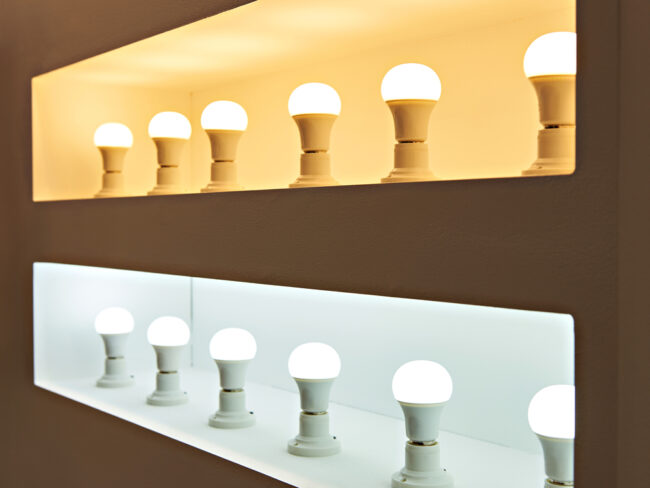
Cool light will wake you up, help you focus, and is best for showing the true colors of paint, makeup, and clothing. These are the bulbs in the bottom row of the image above. Cool bulbs are great for offices, kitchens, and vanities.

Warm light has the opposite effect– it relaxes and casts a yellow or orange glow on your walls and furniture. Warm light is perfect for bedrooms, living rooms, and dining areas.

Both ends of the spectrum are important for different areas. And sometimes you might need to combine them in the same room so you can control the activity you’re doing. 

Now, let’s get into some specifics about how to work with each of our five light categories.

Question 2: Which light temperature is best for relaxing, cool or warm?

General or Ambient Light

As stated earlier, general or ambient lighting is your primary source of light for your space. It’s often centered in the ceiling so it can cast a bright, even light across the room. Your light fixture will greatly impact how the light casts. For example, flush mount domes offer little resistance to light, while metal shades will concentrate light downwards.

Since general lighting gives the most light, it will set the tone for your space. Here are a few top tips for nailing the general lighting in your home:

  • Use cool ambient lighting for kitchens, offices, and bathrooms.
  • Use warm light for living rooms, dining, and bedrooms. 
  • Swap out your builder-grade flush mount for an immediate (not to mention cheap and easy) upgrade. 

Question 3: Where should you position your general light source?

Task Lighting

Task lighting concentrates light (and your focus) on important tasks, like homework, dicing up vegetables, and filling out expense reports. They are also more obvious choices in your design since they often hang down or sit close to the action. 

Top tips:

  • Hanging pendants often look best in odd numbers, so stick to one, three, or five pendants where possible.
  • Strip lights or spotlights tap into task lighting fixtures to highlight art or displays to create design focus. 
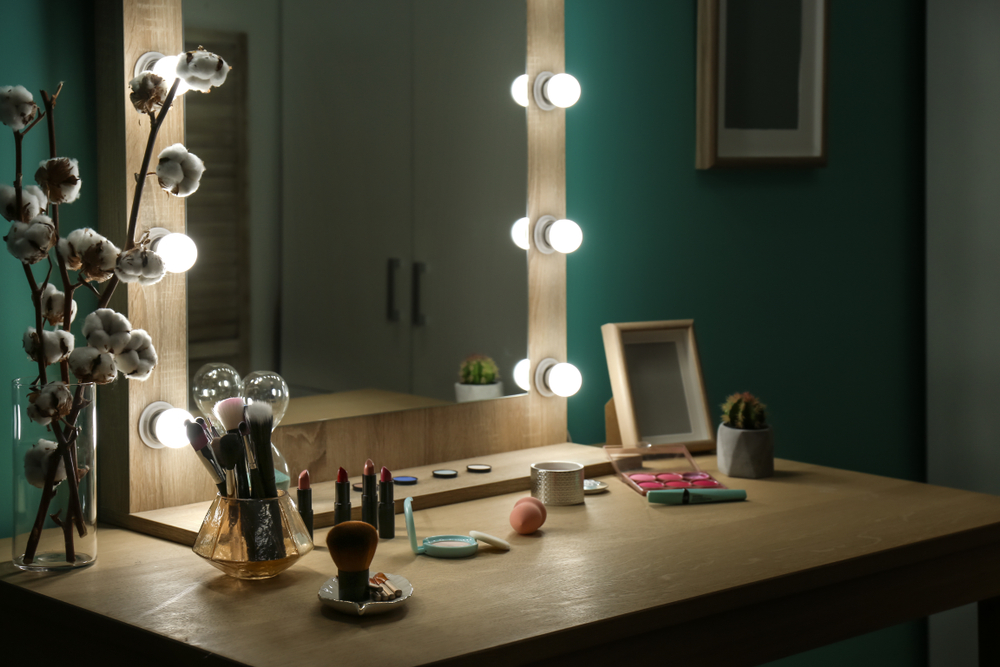
  • Don’t forget LED strips as a versatile option! Place them around mirrors and under cabinets for steady, bright light.

Question 4: How do you know what areas need task lighting?

Accent Lighting

Accent lighting covers mood lighting and rounds out the lightscape. From reading lamps to LED strips behind TVs, they land closer to decorative lighting than really focusing on function. 

But don’t underestimate what they deliver! Accent lighting easily becomes general lighting during movies, date nights, and intimate gatherings with friends and family. 
Top tips:

  • Warm light is usually best for accent lighting. Scatter a few accent light sources around gathering places to have enough light to fill the room without the general light source.
  • Sconces are a great way to switch up typical lamps. And some come with plug-in cords– no hard wiring needed!
  • Color-changing bulbs and LEDs are a great option for accent lights. Then they are versatile for task lighting or mood lighting as the situation requires!

Question 5: True or false? If I want to add accent lights to my home, I have to hire an electrician.

Decorative Lighting

The final category is sometimes lumped in with accent lighting since they both have more to do with aesthetics than functionality. But we pulled this out to give special attention. 

Decorative lighting is about adding a super cool fixture, with the provided light taking a backseat. For example, using a chandelier for general lighting offers general light for the room, but its top priority is providing a visual “wow.”

  • Try mixing up the expected, like using pendants or sconces where you’d normally use a lamp. 
  • Get creative and turn a statue or other thrift finds into a one-of-a-kind light source.
  • Work with a local light showroom for designer-level pieces for a fraction of the price– plus top tips on installation and more!

Question 6: What is the purpose of decorative lighting?

Natural Light

Natural light is the final component of your lightscape. While manipulating natural light isn’t as easy as shopping for a great light fixture, it’s still critical to the overall feel of your home. 

For example, when shopping for paint, check the swatches day and night to see if there’s a dramatic change in appearance. This will also inform your decision on what kind of bulbs you use. And if your room’s color changes a lot from day to night, you can use cooler “daylight bulbs” to keep your color from changing as much. 

Top tips:

  • To get an airy feeling, use light curtains and hang them as close to the ceiling as you can, regardless of where your window stops. 
  • Which way do your windows face? You’ll get very different glows north versus south, as north-facing windows tend to get cooler light, with south-facing windows giving warmer light. Work with the natural light temperature when picking paint colors and decor!
  • Remember, dark colors absorb light, and lighter colors reflect it. So if you want a dark, moody space, dark paint will help to suck in extra light while still getting to keep the windows open. 

Question 7: True or false? Paint colors always look the same, no matter the time or the way windows face.

Summary

With a basic understanding of these simple lighting and interior design principles, you’re ready to convert your home from predictable and dull to vibrant and glowing! Remember:

  • You need all five layers of light to pull off a great room design.
    • General: main light source.
    • Task: focused light on important activities.
    • Accent: set the mood.
    • Decorative: dress it up, make it unexpected.
    • Natural: work the windows.
  • Bulb temperature affects concentration and color interpretation. 
    • Cool light for true colors and enhanced focus. 
    • Warm light for cozy relaxation and a golden touch to color. 
  • Updating your lighting doesn’t have to be complicated. Work with local professionals to get a leg up with great selections, expert advice, and affordable prices.

Need Help?

Proper lighting is essential to a fully functioning home– but it can be challenging to nail balanced brightness, great fixtures, and a budget! Contact the experts at Western Chandelier for advice on your project!

—

Quiz Answers:

Question 1: Which type of lighting is most responsible for setting the mood in your space?

General (ambient) lighting is a room’s main light source, so it’s the primary contributor to the mood.

Question 2: Which light temperature is best for relaxing, cool or warm?

Warm light naturally relaxes your brain and helps you to fall asleep. Cool light wakes up your brain for detailed work.

Question 3: Where should you position your general light source?

General lighting should come from as high and centered as possible for even light distribution.

Question 4: How do you know what areas need task lighting?

If you have an area where you perform detailed work, you should check to see if you need task lighting! Ambient lighting can provide enough light, but focused work often requires focused lighting.

Question 5: True or false? If I want to add accent lights to my home, I have to hire an electrician. 

False! There are many options for battery-operated and plug-in accent lighting.

Question 6: What is the purpose of decorative lighting?

Decorative lighting works with your decor as art, giving a unique lift to your design. It’s one more detail that helps you show off your style!

Question 7: True or false? Changing your lighting will change your paint colors.

True! All colors change with the quality of the light shining on them. Window position, time of day, and bulb temperature will all change how your paint reads.

Filed Under: 2023, Accent Lighting, Bathroom Lights, Bedroom Lighting, Buying Guides, General Lighting Tips, Kitchen Lighting, Light Bulbs, Lighting Types, Styles and Trends

Your Bathroom Lighting May Be Ruining Your Look- Here’s How You Can Fix It

Your Bathroom Lighting May Be Ruining Your Look- Here’s How You Can Fix It

by admin · Jul 19, 2023

Picture this: You wake up early on a workday (a feat to be proud of). You don’t necessarily have to, but you’ve got the time, so you decide to spend some of that extra time on your makeup. After one last quick check in the mirror, you head out the door, feeling yourself and the look that you’ve created. Then, on a bathroom break at the office, you take a peek in the mirror and are surprised to see that your face here looks nothing like it did at home. What happened? Sure, the lighting isn’t great at the office, but there’s no way it could do all of this… right?

If this sounds familiar to you, take heart. Your makeup skills are probably not to blame – it’s more likely that your makeup lighting at home isn’t right – and it’s messing with your look.

Unfortunately, most standard bathroom lighting types aren’t a great help for flawless makeup. You might need to tweak the lighting set up at home to get it working for you instead of against you. This article will compare some of the common pitfalls of builder-grade lighting, and tell you exactly what you need to look for to upgrade your makeup space. 

Remember, the purpose of makeup lighting is to show your face as true as possible, so you know how the look will translate outside of your home.

NO: Windowless Rooms

Hopefully, your home was built with windows in the bathroom to help balance the lighting. However, if your bathroom doesn’t have a window and it’s not in your budget to install one, we recommend you get ready for the day by your bedroom or office window. Not only will this improve your makeup accuracy, but it will add dimension to the styling of your bedroom.

YES: Natural Light

Expert makeup artists all agree that natural light from the sun is the best light for doing makeup. If you can do your makeup facing a bright window, this is the best choice. However, many people do their makeup early in the morning or don’t have a windowed area suitable for makeup.

———————–

NO: Fluorescent and Colored Lighting

Fluorescent Light

Everyone knows that fluorescent light is the most unflattering possible. While many spend days under fluorescent light in the office, it is typically offset by some natural light coming through windows. Bathrooms are often windowless, completely isolating the makeup artist in the worst lighting possible.

Yellow Light

While warm, yellow light could be soothing for a home spa experience, it exaggerates flaws in the mirror. The yellow glow will bring out yellow and green tones in your skin, often making you appear sickly or washed out when you aren’t. This effect commonly results in putting too much makeup in the wrong places and then looking cakey once you step out onto the street.

Pink Light

Pink or rosy light has the opposite effect of fluorescent and yellow light― it hides flaws! This might feel good while applying makeup, but you may notice that you failed to cover certain areas as soon as you get to the office.

YES: Warm White Light

Warm white light is the best artificial light for doing makeup. It most closely mimics the effect of the sun, so what you see in the mirror will match what everyone else sees in the office or at dinner. Many experts recommend backlighting your mirror with LEDs to achieve this effect.

———————–

NO: Light From Above or Below

Kids love to make scary faces at sleepovers by shining a flashlight upwards from their chin. Overhead makeup light can create the same results (although not as dramatic). As the light shines down your face, it will naturally exaggerate certain features, like shadows under the brow, nose, and mouth. It can also catch more harshly on wrinkles. Once again, the results are too much makeup in the wrong places.

YES: “Face-forward” Light

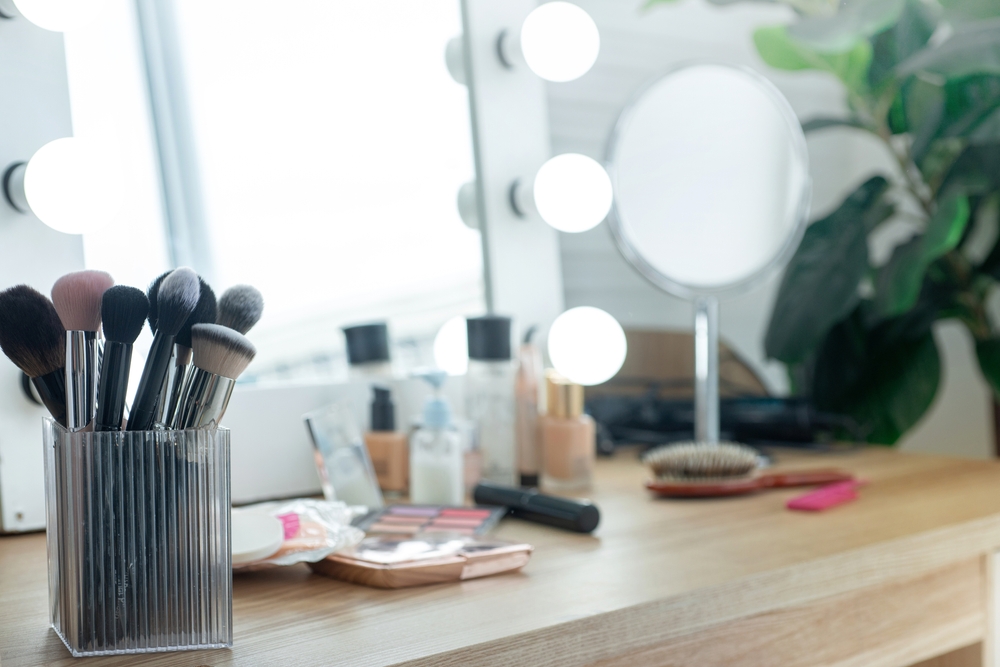
“Face-forward” light shines directly towards your face rather than shining down on you. When your lighting is set up this way, it will reduce false shadows, making it easier to decide where to apply makeup. Many add LEDs around their mirror – it’s is an easy, inexpensive way to customize your makeup table and get the truest lighting for your look.

Pro Tip: If you’re renting and can’t replace your bathroom lights, a ring light is a solid option. They come in a wide range of prices and sizes, so it won’t be hard to find one that will fit both your counter and your budget. Position a smaller ring light around face height. Larger ring lights are designed for you to look through them, so the light shines on your face from all sides to eliminate shadows, as seen below:

———————–

Kick that Crappy Lighting to the Curb

Replacing, or adding to, your bathroom lighting isn’t as difficult as it sounds. Swapping out an old fixture with a new one is a relatively simple project that won’t cost much to have done. It’s also very beginner DIY-friendly – most homeowners can do it on their own. (Just remember to turn off the breaker first!)

A simple lighting upgrade can totally transform your makeup experience, and give you the confidence to trust that what you see in the mirror at home will translate across to the rest of your day. Whether you have a full makeup studio or you’re sharing a small vanity with a partner, you’ll be surprised at how a small change can make such a big difference. 

If you want some help choosing the best lighting upgrade for your makeup area, stop by our showroom and take a look at the options we have available. You’ll be able to see for yourself how you look in different lighting, and our experts can help you find the right options to dress up your space. Stop by, or give Western Chandelier today for a free consultation! 

Filed Under: 2022, Bathroom, Life & Style

5 Easy Steps to Create a Modern Minimalist Interior

5 Easy Steps to Create a Modern Minimalist Interior

by admin · Jul 12, 2023

With an intentional lack of furniture and decorations, minimalist design can sometimes come off as cold and uncomfortable. Over the past few years, as we’ve spent more time in our homes than ever before, the need for comfort in a home design has been made crystal clear.

Today’s modern minimalism prioritizes simplicity with a decluttered and uncomplicated aesthetic, while also emphasizing the need for comfort in a space. You’ll see more color and accessories than the minimalist interiors of the past had, but they’ll be thoughtfully chosen extras that provide warmth and life to the space without going overboard. 

Whether you’re interested in adopting a minimalist lifestyle or just love the simple yet dramatic design aesthetic, modern minimalism is an achievable aesthetic for just about anyone! 

To help you get started, we broke down the basics of modern minimalist interior design into a handful of easy steps you can use to confidently focus on the right essentials. 

1. Create an Open Floor Plan

Focus on creating as much connected open space as possible. Obviously, taking out walls is the easiest way to create an open floor plan. But if you’re not in a place where you can tear down walls, there are some simple and subtle tricks you can use to make adjoining spaces feel more connected. 

One way to connect spaces in your home is to use the same flooring and wall paint colors for the entire space. This will make rooms look like they belong together, even through a doorway. 

A unique accent, like this minimalist pendant light, grabs your attention through the doorway from across the way, which helps your brain perceive the two spaces as one.

Finally, play around with your furniture placement to maximize your space. In smaller spaces, this often means keeping large furniture close to the walls to keep open pathways throughout but don’t underestimate the power of a simple, low-profile, floating sofa used to define a space.

2. Choose a Small Color Palette

A classic hallmark of minimalist design is a neutral monochromatic color palette, typically in warm grey, white, or beige tones. Contrast is important – add dimension and balance with a mix of darker and lighter shades within your color palette.

If an all-neutral color palette just isn’t your thing, you can still get a modern minimalist look with color – you just need to stick to a small palette. Keep most of the colors you use very light, to increase the feeling of airiness and reflect light best. 

3. Functional Design is Key

It doesn’t matter how pretty a room is, if it’s inconvenient or difficult to use you’re not going to be happy with it. When you’re trying to adopt modern minimalism, understanding how to pare down to only the essentials can be hard. When you’re going through your room, ask yourself:

 “Does this serve a purpose?”   “Do I already have something that serves this purpose?”   “Is there a multipurpose option that will serve this purpose and others?” 

Just remember, there’s no hard and fast rule for what it means to be “functional” – and you don’t need to justify every item you love to keep it in your home. A funky decorative pillow that makes you smile when you see it is serving a purpose (and it’s making your couch more comfortable – so it’s multifunctional!) 

A huge part of functional design is organization. Decluttering for a modern minimalist space involves reducing “visual clutter” too! Things not actively being used should have a home where they can be tucked away until they’re needed. 

Opt for storage options that have doors that will hide the things you’re not using.  When styling open shelving, choose items that match your color palette, leave plenty of open space, and use boxes or baskets to organize and hide loose items.

Don’t be surprised if you get down to the basics and you aren’t in love with what you have left. You’ll likely need to start making smart trades here and there to end up with a set of basics that you love.

4. Add Light – Lots of It

Like most modern design aesthetics, modern minimalism focuses on filling the space with light. Where possible, introduce as much natural light as you can. The light colors on your walls and floors will reflect it – making your room feel open and airy. 

In addition to natural light, a modern minimalist space needs a well-thought-out interior lightscape. Make sure your general ambient light is bright without being harsh, and add extra lighting in dark corners and over workspaces. Hidden lights, like LED strips under a cabinet, are an inexpensive DIY trick with a big payoff! 

Because minimalism is all about doing less with more, it’s okay to be choosy about how you add light to your space – you don’t want to clutter up your home with a floor lamp in every dark spot! When you’re shopping for fixtures, stick to simple shapes that can double as design elements.

5. Finish it Off with Thoughtful Accents

Little pops of color and texture are what take a modern minimalist space from blah to wow. You can do this in a number of ways, but remember to keep it simple. Start with just one color or texture and see how it feels before committing to more. 

When possible, look for ways to upgrade your existing decor rather than adding extra items. Look for functional pieces that you need in your space, but feel a little lackluster, and find a more interesting alternative. Replace an old, overstuffed sofa with a simpler version in a deep color (as long as it’s in your color palette!) or give an old end table new life with a coat of paint.

Pro Tip: If you have a hard time committing to color, consider using houseplants! They introduce a vibrant green color and soft, organic textures, which can balance out a minimalist design quite nicely.

By far, one of the most effective ways to accent a modern minimalist design is with an interesting light fixture. Your room will always need light, so it might as well be an integrated part of the design! 

A stunning ceiling light with a simple shape will stand out as a piece of art against a minimalist backdrop and elevate the entire design of the space. 

Pendant lamps are popular in modern minimalist design because they come in simple shapes with lots of finish options, so it’s easy to find something that will match your aesthetic. 

If replacing a ceiling fixture isn’t an option, you can get a similar impact with a carefully chosen floor lamp! Lamps are the MVP of accent lighting for a reason – they’re easy to move, replace, and rearrange, and come in a HUGE variety of styles. You can go for something small that blends in, but we also love the way a large, yet simple, lamp like this one makes a statement without taking over. 

That’s all there is to it! Just to recap, here are the 5 easy steps to create a modern minimalist interior: 

  1. Create an open floor plan – Tie separate spaces together with color and materials and rearrange furniture to maximize your space.
  2. Choose a small color palette – Neutrals are your friend, but it’s okay to add in a little bit of color to make your space feel like you.
  3. Remember functionality – Use multipurpose furniture, and organize, organize, organize. Store things that aren’t being used so that they’re not cluttering up your space.
  4. Add light – Having lots of natural and indoor lighting is what makes your space feel open and airy. Light up dark corners and workspaces.
  5. Finish it off with thoughtful accents – Don’t over-accessorize. Pops of color and texture give life to a space, but try to incorporate these add-ons with the functional elements of your space – like a colored sofa or an upgraded light fixture.

——–

Modern minimalist design can be a difficult concept to balance, but it’s very forgiving and so beautiful when done correctly. If you need help finding the right lighting for your modern minimalist home, our experts at Western Chandelier can help!

Filed Under: 2022, Decor & Home Accents, Life & Style, Styles & Trends, Styles and Trends

A Guide to Grandmillennial Design

A Guide to Grandmillennial Design

by admin · Jul 5, 2023

Today’s interior design trends are all about neutral color pallets and streamlined minimalist design. While some may love the simplicity, many millennials are tired of the muted, sparse interiors and are pushing back – resulting in the creation of a unique version of vintage interior design they’ve coined “Grandmillennial.”

The term “grandmillennial” can be understood in two parts: “grand” and “millennial.” The “grand” refers to the vintage and classic feel, with rich textiles, colors, patterns, and embellishments. The “millennial” portion nods towards the generation largely responsible for resurrecting these elements while acknowledging their twist on the classics. 

In short – think Elizabeth Bennett’s drawing-room sprinkled with references to pop culture, LED lighting, and smart home capabilities.

The grandmillennial aesthetic focuses on storytelling through interior design. It uses brighter colors, vintage fabrics, and upholstery, filling the room with interesting points of view. In short, they seem to be embracing their grandmother’s home and furniture, bringing these pieces back to life in a modern application.

As it’s a brand new, trending, and eclectic style, it can be hard to understand how to capture the essence of the grandmillennials. This piece will walk through the essential building blocks – then you can mix and match modern grandma chic your way into grandmillennial design!

Antique Furniture and Inherited Pieces

Grandmillennials love to showcase the family heirlooms that may not have been important to their Gen X parents’ style. Whether it be old couches, tables, art, or even china, grandmillennials are determined to use grandma’s pieces in their homes.

The goal is not to recreate grandma’s house down to the perfumy potpourri, but to bring classic warmth and texture into a modern context. It’s perfectly fine to restore older pieces with a modern touch before using them in your home. 

Pro tip: If you thrift or inherit a beautiful lamp that doesn’t work (or has suspect wiring), it’s easy to restore vintage lamps by replacing the wiring with up-to-code materials. 

Brighter Colors and Lots of Patterns

Leaving the neutral palettes of minimalism behind, the grandmillennial style embraces layering pattern and color. However, this balance can be tricky since grandmillennial design isn’t fully eclectic. Instead, it uses complementary colors with one grounding pattern to anchor the others.

You’ll often see this done on the walls with floral wallpaper, textured surfaces, or large pieces of colorful art. If not on the walls, these colors and patterns are found in furniture items and accessories. They’ll be balanced out with solid, complementary colors elsewhere in the room – a floral wallpaper with board and batten below, or a bright sofa with a light, airy paint on the walls.  

Pro tip: Spend time with your paint and wallpaper samples at home and watch how they change between the natural sunlight and your electric light. Modern light bulbs typically come in either warm or cool light, and what you choose will change how your paint looks!

More “Stuff”

In an anti-minimalist movement, grandmillennial design simply uses more stuff. Designers fill the shelves with art, plants, and figurines, walls are busier with wallpaper and art, and furniture fills up more of the space.

Grandmillennial style also focuses more on embellishments. Old fashioned tassels, crystal chandeliers, tapestries, and metallic accents are common. Showcasing collections and treasures for the sake of displaying them are returning in vogue.

Pro tip: Consider adding LED strip lighting on shelving to highlight your favorite art pieces or collectibles!

Mixing Textures

Velvet, wicker, and woven accents are all fair game in grandmillennial design. In fact, layering these textures will help create the complexity in design that millennials’ grandparents had. You’ll find these textures in furniture, tables, window treatments, and lighting options.

The great thing about grandmillennial design is that it allows you to use whatever textures you like, regardless of how it compares to other trends! Wicker has made a comeback in the last few years, often featured in trendy interiors.

Pro tip: Swapping out your lighting is a great way to introduce a new texture without overcommitting to it. Whether it’s an exposed bulb or rattan shade, an unexpected fixture can add that perfect amount of spice.

Modern Touches and Pop Culture References

A unique difference between grandmillennial and vintage design is a playful reference to pop culture. Next to flowery wallpaper, printed china, and velvet couches are vintage-style portraits of astronaut cats or stylized Stormtroopers.

Needlepoint art is another trend that’s been rising in popularity recently. But in grandmillennial design, you’ll find this vintage technique now displays edgy sayings or outlines of famous icons. You’ll find similar pop references hidden in rugs, throws, and pillows too.

Pro tip: Just because you’re embracing grandma’s style doesn’t mean you have to embrace her technology – smart lights and LED strips are a simple, inexpensive way to make your home look much more modern without detracting from your decor.

Go Big with Statement Light Fixtures

The focus on historical pieces offers an excellent opportunity to play with bigger and bolder light fixtures. If you’ve cherished a childhood dream of having a big crystal chandelier, but have always worried it would feel too traditional or stuffy, now is your time to make it happen!

Keep in mind that effective mood lighting for any design requires five to seven different light sources. So while all styles will have layered lighting, the grandmillennial style allows you to really go all out and take full advantage of this layer-friendly trend to elevate your design. From wicker to crystal and velvet to fringe, you have free reign to play without being kitsch.

Pro tip: Lighting showrooms have a vast selection of fixtures at hardware store prices. A visit to your local showroom will let you see the lights in action before you buy so you can find what you want quickly, and the experts there can walk you through the installation process so you can install it like a pro when you get home.

Now You Know!

With these basics in hand, you are ready to embrace the granny chic movement with the perfect modern balance and function. 

Display those inherited pieces, get creative with wallpaper, fill your shelves with interesting knickknacks, and try out that beaded light fixture! At the end of the day, grandmillennial design is all about nostalgia and freedom of expression. You do you.

Having trouble choosing what to highlight in your redesign? The dedicated experts at Western Chandelier can help you pick the perfect, showstopping light fixtures for your design. Contact us today to get started on your grandmillennial refresh!

Filed Under: 2022, Decor & Home Accents

« Previous Page
Next Page »

Copyright © 2026