• Skip to primary navigation
  • Skip to main content

Western Chandelier

  • Buying Guides
  • Styles & Trends
    • Bathroom Lights
    • Ceiling Fans
    • Ceiling Lights
    • Lamps
    • LED Lights
    • Outdoor Lights
    • Smart Lights
    • Wall Lights
  • Wellness & Safety
  • Shop Products

admin

How Many Blades Does Your Ceiling Fan Really Need?

How Many Blades Does Your Ceiling Fan Really Need?

by admin · Jun 28, 2023

Ceiling fans are great at providing comfort year-round. A good ceiling fan will help you save on energy costs by circulating the air in your home. In the summer they create a draft, making the room feel cooler. In cold weather, you can switch the fan’s direction to circulate warm air from central heating around the room. 

Ceiling fans are so ubiquitous that for many people it’s hard to imagine life without one! So what happens when your fan breaks, and it’s time to get a new one? 

If you’ve shopped for ceiling fans recently, you know that there are a lot of options. From the ultra-modern models with a single fan blade, to the “windmill” design fans with so many blades that there’s hardly any space between them – many homeowners on the hunt start to ask: 

How many blades does my ceiling fan really need? 

Does the blade count actually change anything, or is it just for aesthetics? 

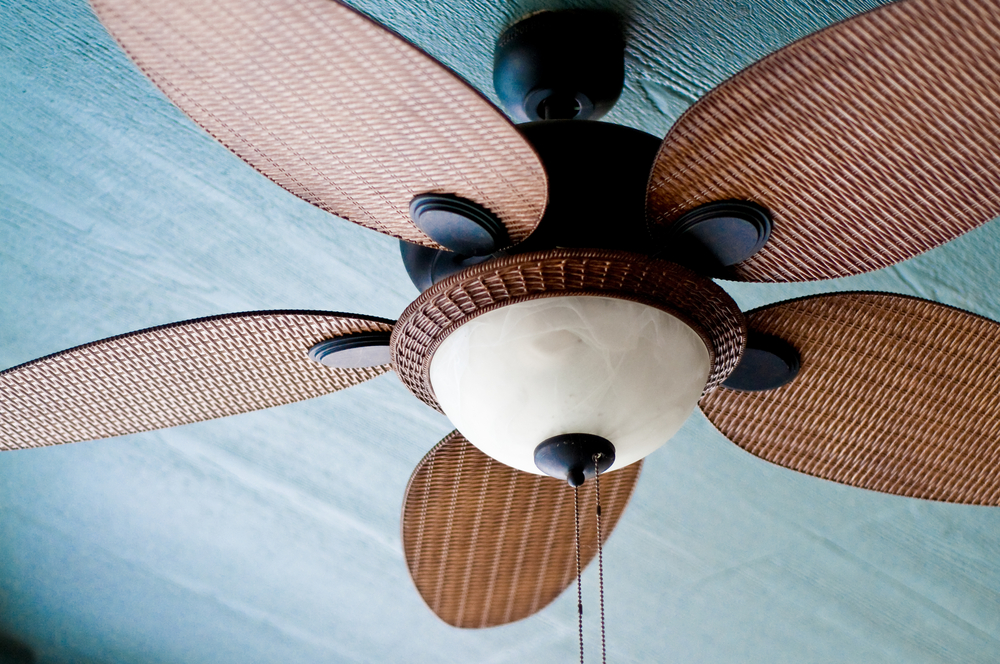
In short, the answer is “yes to both.” The blade count on a ceiling fan is largely viewed as a style issue, but it does impact the way the fan works. Apart from the obvious design differences, the number of blades on a fan will also affect its noise level and energy consumption. 

Noise Level

The fewer the blades, the faster a fan needs to spin to move the same amount of air. Lots of spinning means lots of moving parts, which usually translates to more noise. Take large industrial fans, for example – they typically have two or three blades and are pretty loud. 

On the other end of the spectrum, fans with higher blade counts can move a lot of air spinning at a slower rate. Less motion means less noise – windmill-style fans with eight to ten blades are virtually silent. 

There isn’t an exact cutoff between noisy versus quiet fans, but a good middle range is around five. If you want a quieter fan, one with five or more blades will likely be your best choice. 

Energy Efficiency

Another thing to consider when choosing a fan is how much it will cost to run. Fans with more blades create more drag, requiring more energy to operate. This is one reason why large, always-on fans (like you’d see in a commercial space) often only have three blades. They may be a bit noisier, but they save on energy costs.

While its blade count does impact the energy efficiency of a fan, it’s definitely not the only factor involved. The efficiency of fans can also be affected by the length and angle of the blades and by the type of motor it uses. It’s best to check the energy rating of your fan when possible. 

Style and Aesthetics

Aside from energy efficiency and noise level, the main difference between fans with high and low blade counts is really just style and aesthetics. “Windmill” styles with eight to twelve blades can feel rustic, whereas fans with two to three blades usually feel minimalist and industrial. 

How do I know what the right number is for me?

The short answer to this question is – it really doesn’t matter very much for most people. It doesn’t matter whether noise levels, energy efficiency, or aesthetics are your top priority; it’s pretty likely that you’ll be able to find a fan that will meet your needs in all three categories. 

Most often, it’s safe to shop by your style preferences first, then find a fan that meets your noise and efficiency needs from that selection. A modern, high-quality ceiling fan will be designed to work well regardless of the blade count.

If you’re looking for a quality fan that will keep you cool for years to come, stop by our showroom or give us a call. Our lighting experts are ready and waiting to help you find exactly what you need!
Filed Under: 2022, Ceiling Fans, Informational

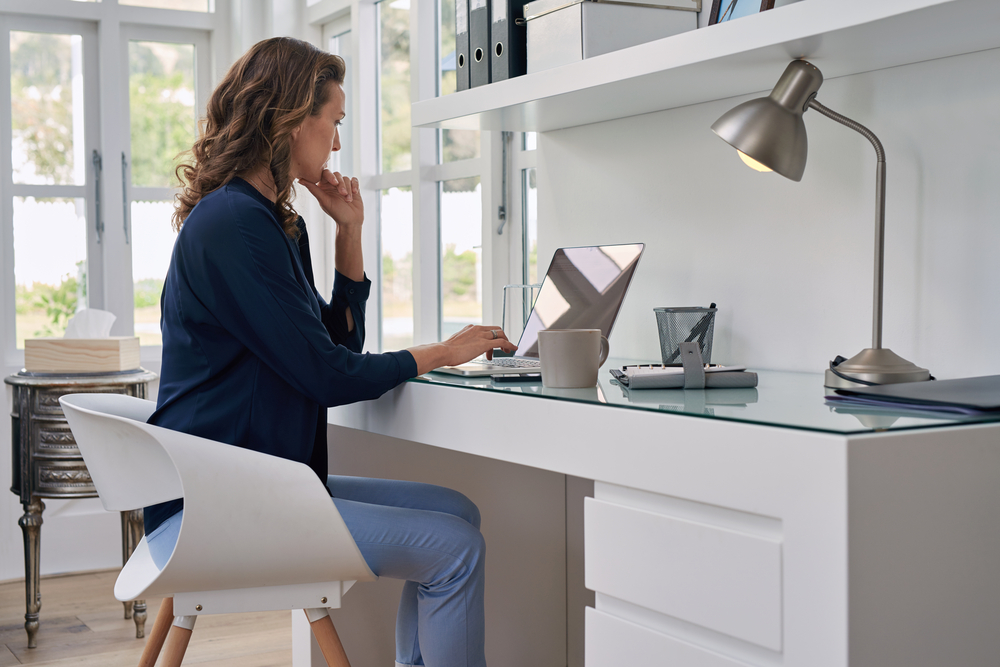
5 Easy Ways to Upgrade Your Home Office

5 Easy Ways to Upgrade Your Home Office

by admin · Jun 21, 2023

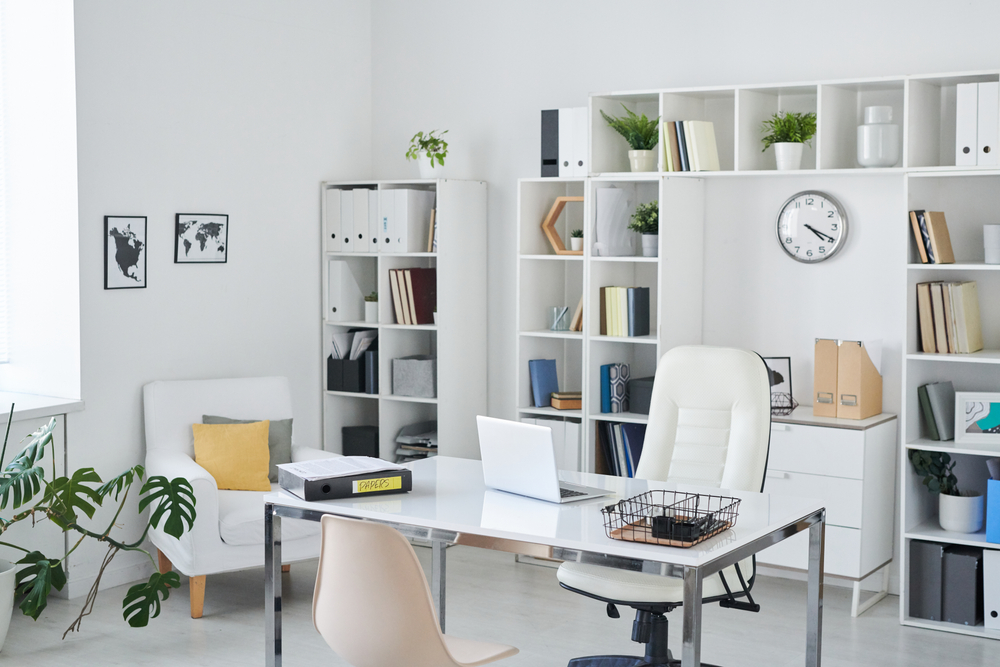
More people are working from home than ever before! Because of this, having a dedicated home office space has moved to the top of the home improvements list for many homeowners seeking refuge from daily noises and distractions at home. (Who can focus in a kitchen with a 2-year-old belting “Let it Go” at the top of their lungs?) 

Global Workplace Analysis estimated that “we will see 25-30% of the workplace working at home on a multiple-days-a-week basis.” If you’re included in this work-from-home exodus, then you understand what a difference having an office that’s both functional and comfortable can make for your workday.

Fixing up your office doesn’t have to be a massive undertaking – making just one small change can significantly impact the way your home office feels. We put together a list of 5 tips that will make a huge difference in the look and feel of your home office. 

Just remember, you don’t need to do all the things (unless you want to!) – any one of these projects on their own will still make a noticeable difference!  

1. Refresh with Paint

One of the easiest and most cost-effective ways of changing the mood of any room is painting. Whether you go for light and airy, bright and colorful, or moody, sometimes all you need is a color refresh to get back that inspiration.

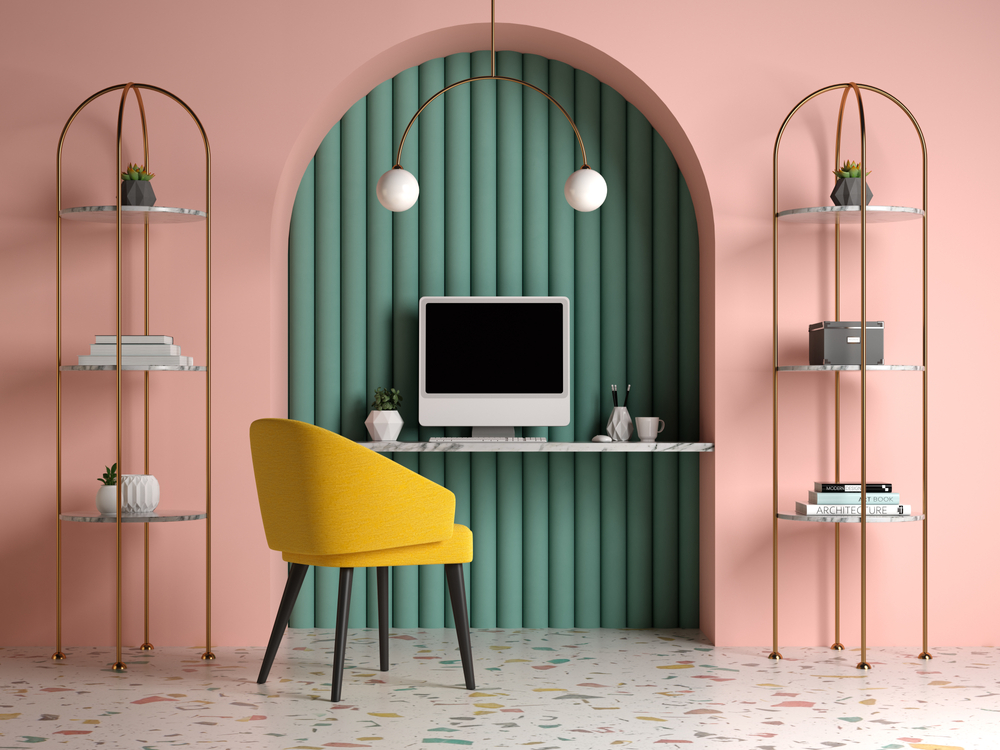
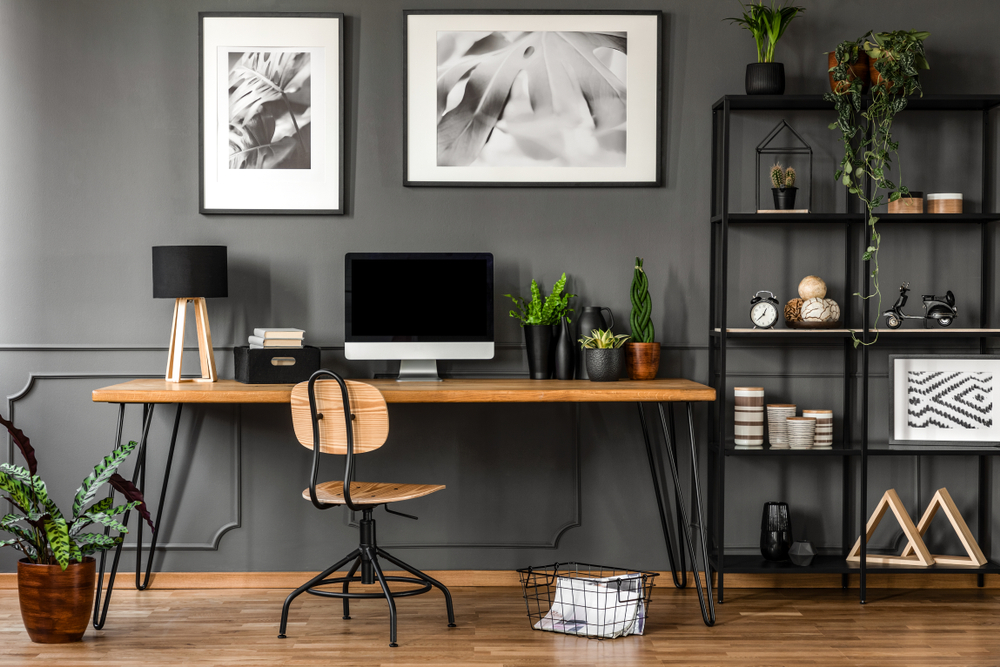
A fresh coat of paint can completely change the mood of your home office. Check these out for some inspo on your office update!

Light and Airy

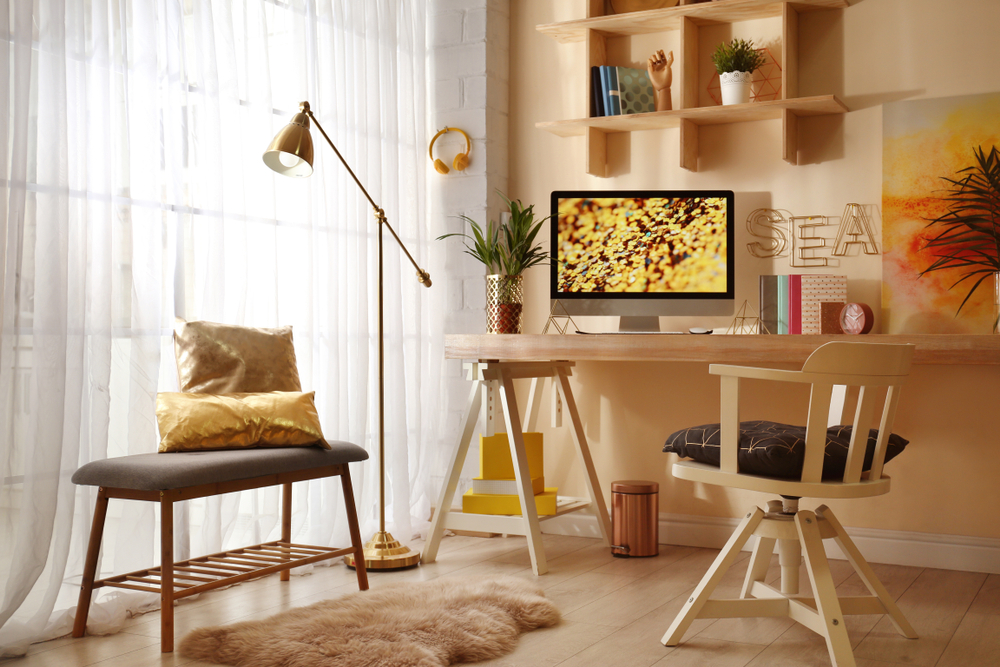
This pretty peach wall and breezy curtains create a peaceful haven where you can get the job done.

Bright and Colorful

These terrazzo-inspired colors bring life into this space and complement the floor perfectly. Talk about inspiration for your work!

Moody

The dark grey walls of this office create a moody ambiance where work can take first priority.

2. Add Lighting

One of the most important elements in a home office is its lighting. Harsh fluorescents are headache-inducing and feel more like a hospital than a haven of inspiration and productivity. Dim lighting is perfect for taking a snooze, but may not be effective when tasks are begging to be completed.

Unfortunately, most people don’t have floor-to-ceiling windows. And even if you do, using a variety of lights is critical in creating an effective working environment without headaches or unintentional naps.

Overhead Lighting

A chandelier or pendant light will do the trick for indirect lighting that will give your office soft, all-over light.

Task Lighting

Functional task lighting is also important in a productive workspace. With the flip of a switch, there won’t be any more squinting to read the post-it-note reminder you scribbled for yourself in a rush earlier. A desk lamp, pendant lights, or wall lamps work perfectly when positioned above the desk.

Lamps

Now that you have overhead lights and task lighting, look around for places that need an extra boost of light! One idea is to create a nook with a cozy chair, then add a floor lamp. Otherwise, consider a side table and table lamp. Lamps with shades add ambient light to the various workspaces in your office so you can see your work no matter where you’re seated.

3. Have Multiple Seating Options

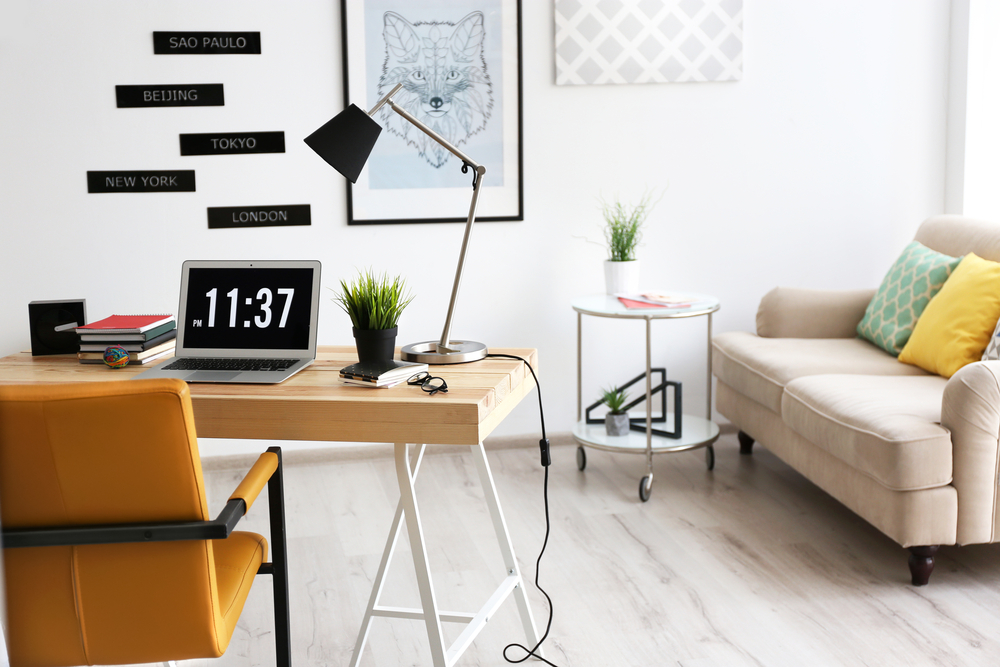
Using a variety of seating options always helps when you get restless. Sometimes changing positions is all you need to get the job done! A comfortable office chair is a must, but you could also consider adding a couch (if you have the space) or a cozy armchair with a side table and lamp. 

4. Declutter and Create a System

In the North American Journal of Psychology, researchers say “indecision and behavioral procrastination [are] related…to high degrees of office clutter.” Visual clutter is stressful, and it often leads to poor work performance. 

Everything in your workspace should have a purpose and a place to live. Toss out the things you don’t need, and make homes for the things you do. Once you have a system down, you’ll be able to move more quickly from one task to the next.  No more searching for a working pen when you need it.

Hide those cords, get bins or a filing system to keep your loose papers in, and make sure you have adequate storage. Built-ins or a bookshelf go a long way in creating a solution. 

5. Accessorize

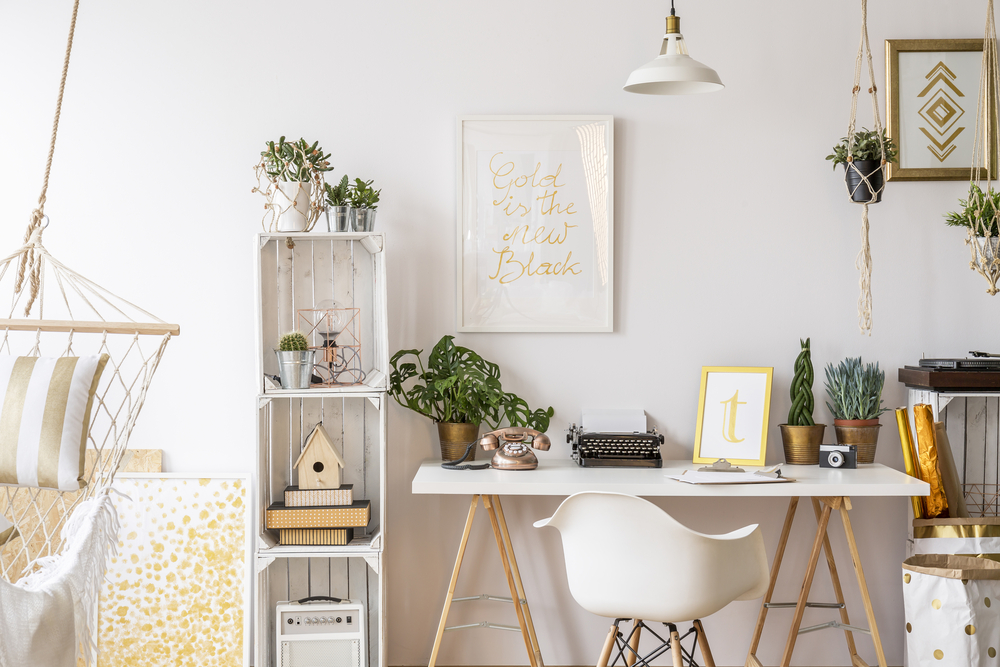
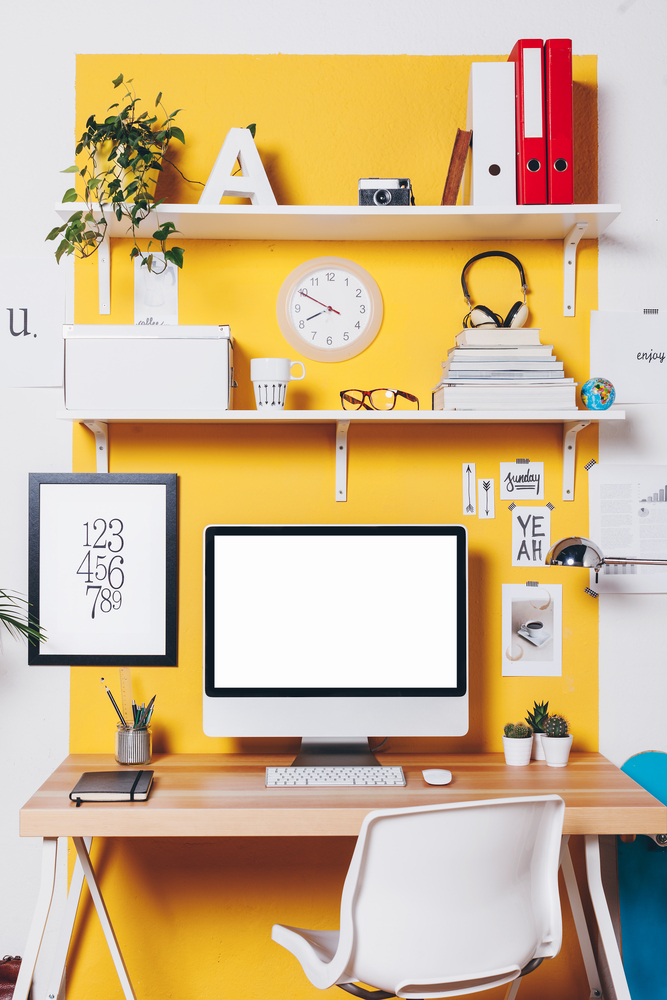
Don’t be afraid to play around with accessories you find or have hanging around. Books, wall hangings that inspire you, and even functional accessories like pencil cups can give your space a more lived-in feel without being cluttered or uninviting. Adding plants also will breathe life into an office that may be lacking. Try different pairings and get creative!

Office update: check! Now your Frozen-obsessed toddler can sing “Let it Go” behind your closed (and locked) office door while you get the job done. For more help with your design needs, contact Western Chandelier or visit our showroom! We’d be happy to assist and give you more tips like these.

Filed Under: 2022, Life & Style, Tips and Tricks

Contractors: 6 Reasons You Should Ditch the Hardware Store Lighting Aisle

Contractors: 6 Reasons You Should Ditch the Hardware Store Lighting Aisle

by admin · Jun 14, 2023

Contractors: 6 Reasons You Should Ditch the Hardware Store Lighting Aisle: How Sourcing from a Lighting Showroom is Better for Your Business

While the pressure and prices in the housing market continue to rise due to supply chain shortages and increased demand, all businesses are looking for ways to get the best value for their dollar. This is especially true for contractors and builders, who are working harder than ever. 

If you’re still relying on big-box stores to light your projects, you’re probably missing out on a lot. Lighting showrooms offer better service, quality, expertise, and selection that big-box stores just can’t shine a light to. 

We know your time is valuable, but we can guarantee it’s worth your time to look into what showrooms have to offer before you go out shopping for your next project.

1. Fair Prices 

We know the bottom dollar is important on your projects, and lighting is often one of the last steps on the list when the budget is getting thin. 

It’s a common misconception that lighting showrooms charge more for their fixtures than you’d pay at a chain retail store – but it’s just not true. In fact, some big-box stores are notorious for marking up fixtures and then offering occasional “deals” that aren’t really deals at all. 

You cat trust that the prices you see at a lighting showroom are transparent and fair. And if you pay attention, you’ll notice that the prices at a showroom are comparable across the board for similar products you’d find anywhere else. 

If the prices aren’t that different – then you might as well be taking advantage of all of the extra benefits that come with shopping at a lighting showroom. Such as:

2. Better Value

Showroom owners are a lot pickier than online retailers and megastores about what they sell. Those comparable fixtures you’re price checking? They’ll often be higher quality versions – which means you are less likely to have your clients calling you in 2 months with a complaint. 

In addition to the overall higher quality, showrooms also give you more than your money’s worth in other ways not directly tied to your costs – like better warrantees and extended customer support.

3. Huge Selection

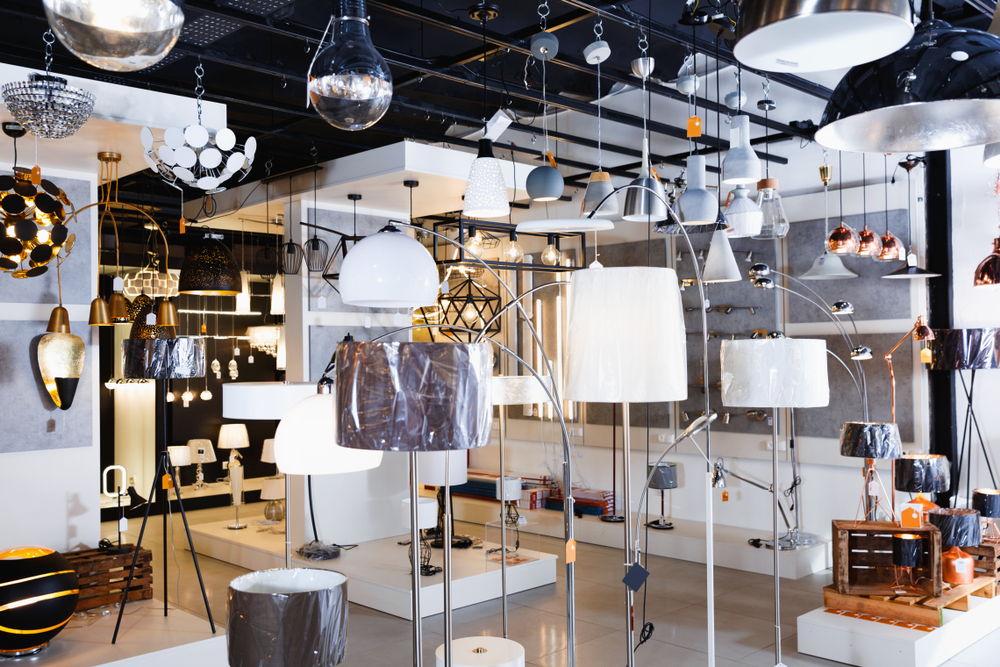
Lighting showrooms specialize in just one thing – quality lighting. With the entire store dedicated to showcasing fixtures and bulbs, you’ll be able to see how the fixtures look up close and check installation guidelines before making any purchases. 

If you or your client is looking for something specific, showrooms also have access to a massive selection of fixtures through the manufacturer catalogs. If it’s not on the floor, we’ll be able to find it and get it ordered for you. You’ll be able to find exactly what you need without having to shop around. 

4. Expert Advice and Speciality Knowledge

When you walk into a national chain hardware store and need help, you already know that the employees there usually know a little bit about plumbing, electrical, appliances, and lighting, but they likely won’t have deep knowledge about any of them.

Lighting showroom staff are experts in lighting. Their services center around helping contractors get the right products into their builds. The experts at our lighting showroom stay up to date on the industry and can give you expert advice you wouldn’t find anywhere else. You don’t need to spend hours researching and comparison shopping – we’re more than happy to share what we know to help you get exactly what you need.

5. Word of Mouth

Your reputation matters – and nothing is more valuable to a business owner than a glowing recommendation from a happy client. Sometimes lighting is an afterthought for your clients who are more focused on finishes and fixtures. But even a brand new space with high-quality craftsmanship will look underwhelming with poor lighting. 

Our lighting experts can help you make sure that your clients get quality fixtures that will highlight your hard work. This will result in two things: 1. Happy customers that want to refer you and 2. Jaw-dropped friends and family that want to ask for your number for their next project.

Another thing to consider – homeowners often come windowshopping at lighting showrooms to pick out what they want “when they’re ready” to start a renovation. If your local lighting showroom knows who you are and sees you regularly, they can refer you to their customers to help them get started.  

6. Industry Relationships Matter 

Developing relationships in the industry is vital for all of us. You’re not receipt #238942, you’re a local business owner, part of our community, and a friend. 

When we know who you are and what you like, it makes it easy for us to help you get in, get out, and get what you need quickly so that you can spend your time on other parts of your project.

In addition, most showrooms allow contractors to set up an account – which often comes with perks such as discounted prices, bulk ordering options, and payment plans. 

If you’re still relying on big-box stores for your lighting needs, it’s probably time to consider your options and visit a lighting showroom to see what you’re missing. 

If you’re in our area, stop by Western Chandelier – we’d love to get to know you and see how we can help your business grow.


Filed Under: 2022

Homeowner’s Guide to Backyard Lighting

Homeowner’s Guide to Backyard Lighting

by admin · Jun 7, 2023

Whether it’s a quiet family dinner or a formal party, the backyard can be a perfect hosting space. Kids have room to run around, hosts can invite more people, and no one has to vacuum at the end of the night. But when the sun starts to set – you’ll want to have thought ahead about how you can keep the party going without having to move inside.

Before you get started, take a minute to think about how what purpose your lights need to serve. Your outdoor lighting should be intentional and useful, not just a hodge-podge of tiki torches and solar-powered spikes. Balance is important – the right lighting will make your yard cozy and inviting. Not enough light and you’ll be tripping in the dark, too much light and it can create disorienting shadows, or lead to complaints from neighbors.

To help you get it just right, we’ve put together a few tips and tricks to help you put together your next backyard BBQ.

Stair and Floor Lights

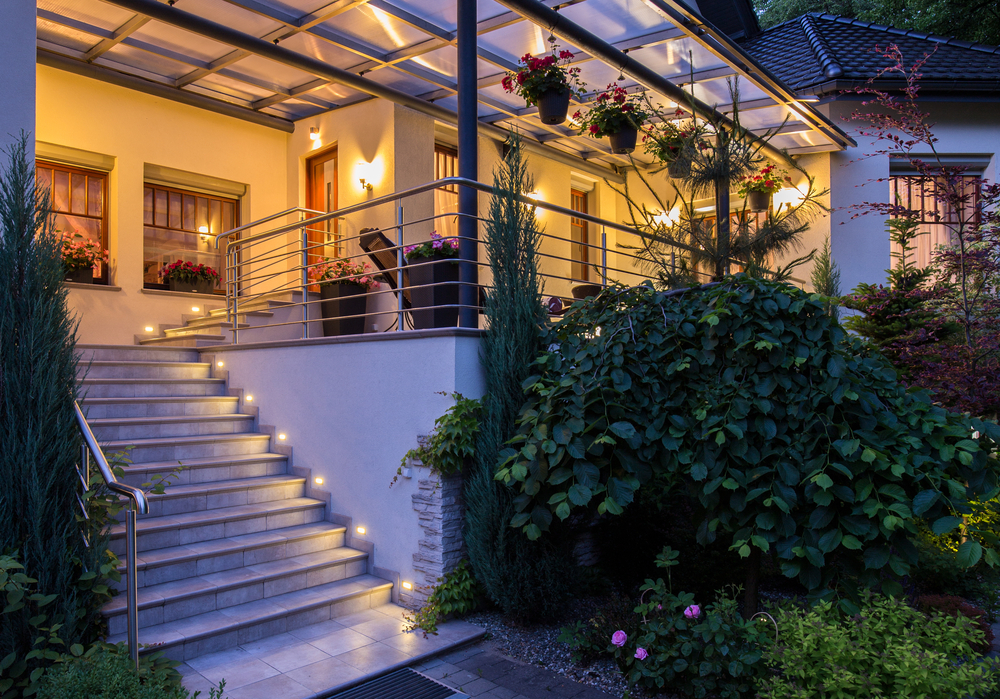
The deck or patio area is central for meals or small-group gatherings. One popular approach to deck lighting is using stair lights. Not only are they elegant, but they also provide an important safety feature. They light the space gently without being distracting, and they make steps easy to see in the dark.

You can also install smaller lights on the floor of your deck. These lights can help brighten up corners and can also make your space safe when it’s dark outside.

Recessed Patio Lights

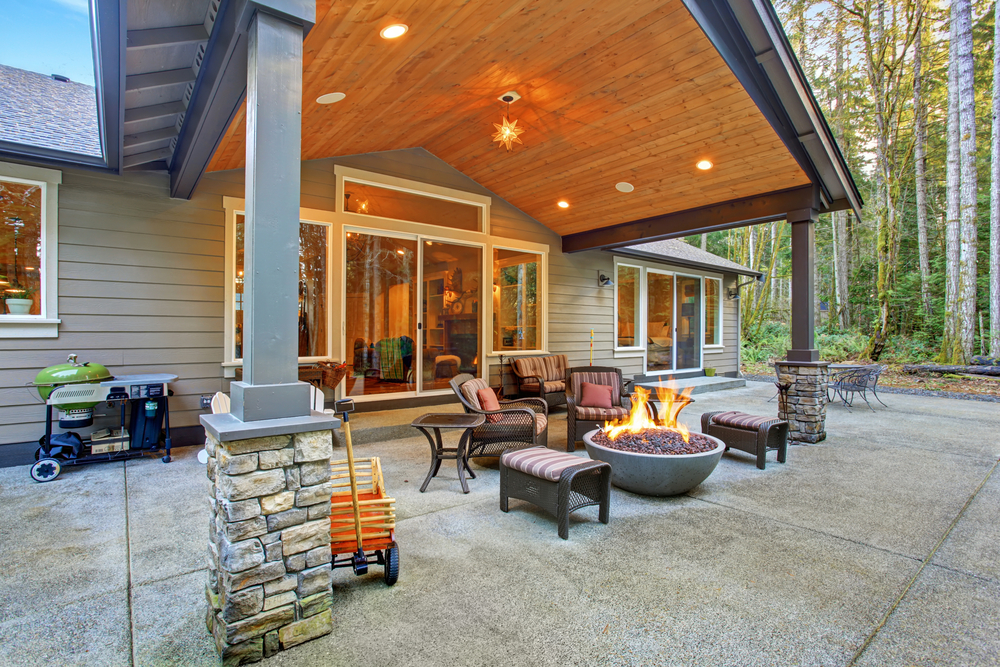
On covered decks and patios, recessed lights are a great option. They’re installed up inside the ceiling, so they’ll be well-protected from the elements. From a design standpoint – they’re the perfect choice to provide your patio with even all-over light that doesn’t get in the way of the view of your backyard. Make sure you double-check before you buy, not all recessed lights are rated for outdoor use.

String Lights

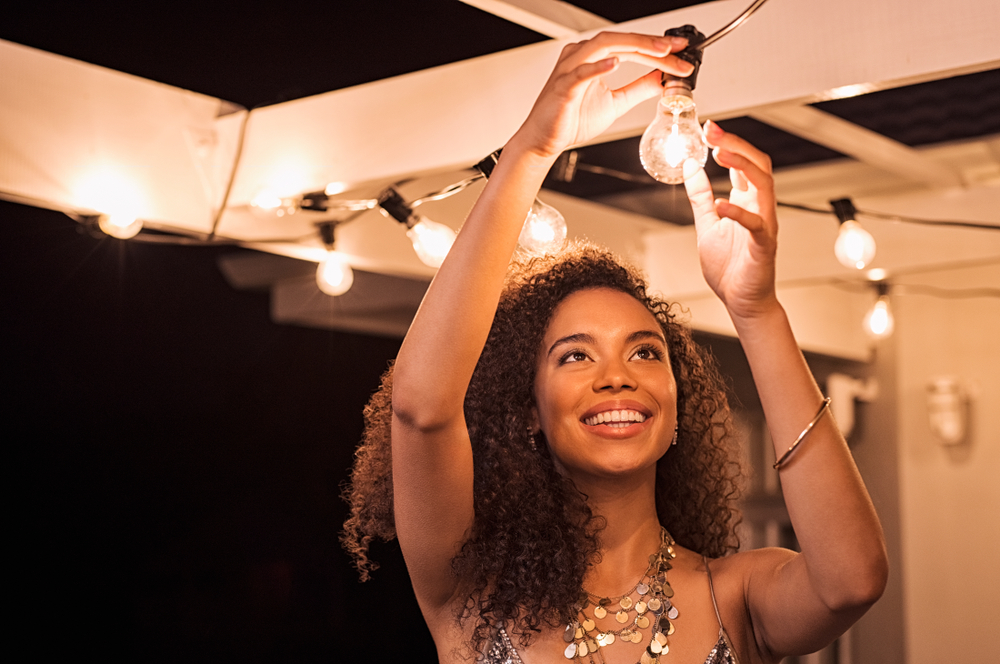
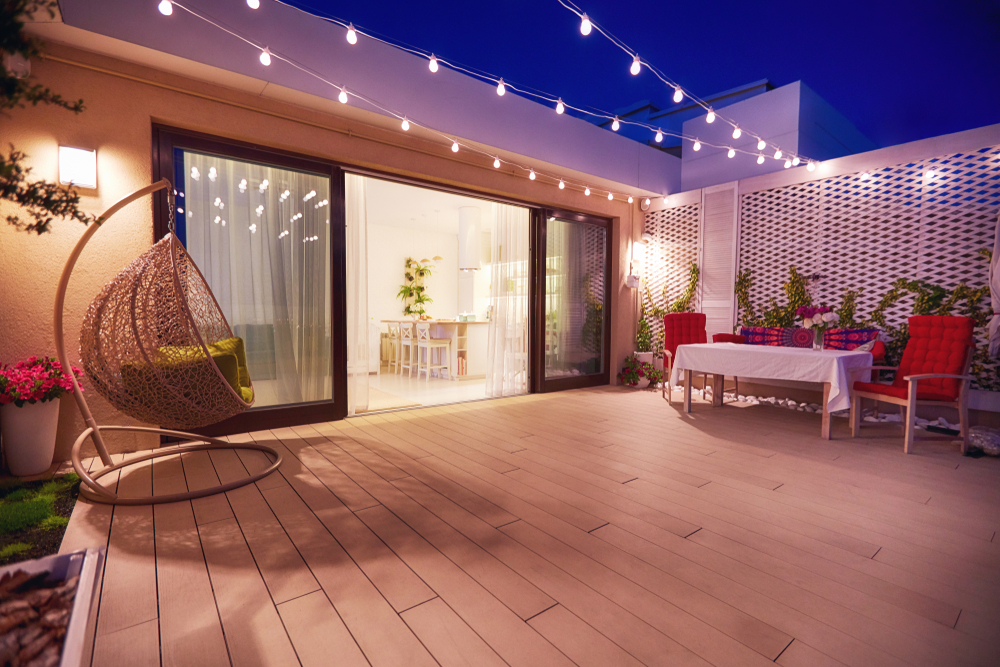
String lights are wildly popular – and for good reason. They are fast and easy to put up, and their effect is magical no matter where you put them! You can attach them to the exterior of your house, a deck railing, or anything tall enough to set them up overhead.

If you don’t have a patio or deck area, they can be strung on posts around a firepit, along a fence, or even in the trees and bushes surrounding your entertaining space.

Landscaping Lighting

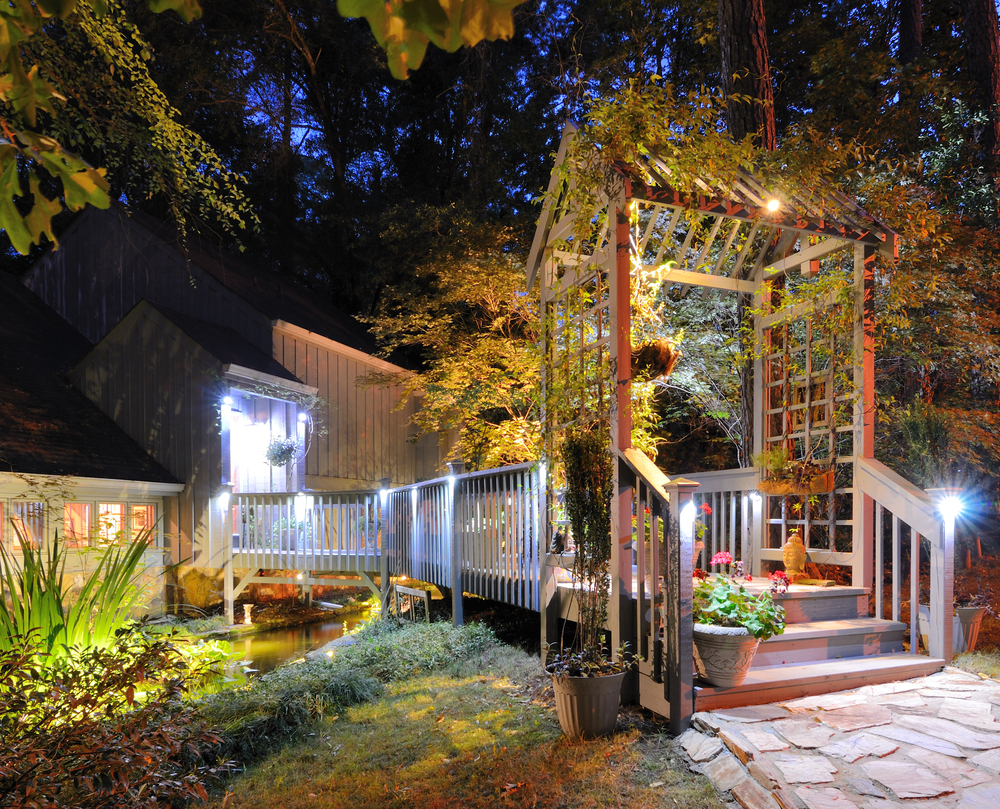
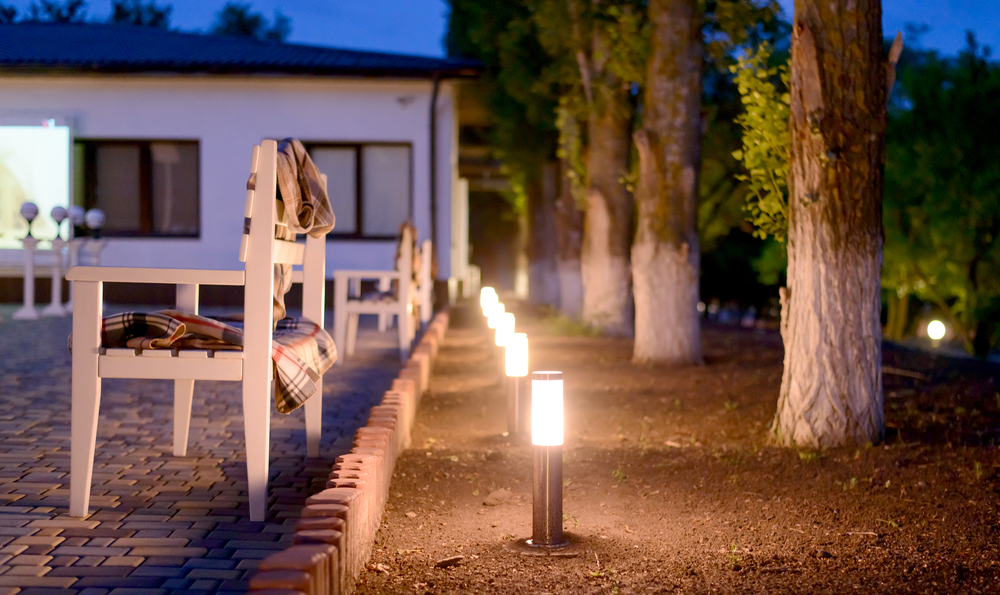
You can use landscape lighting to show off the best features of your yard, even after the sun has gone down. Just like stair lighting, landscape lights are multi-functional as a design element and a safety feature. Many people opt for solar-powered lights to brighten walkways and highlight design features, but you can also hire an electrician to hardwire these lighting elements to a light switch you can flip on and off from the comfort of your patio.

There are countless shapes and sizes of landscape light fixtures to choose from. You may want to consult with an expert to recommend what will work for your yard space. However, there are a few general principles to keep in mind:

  1. Don’t overdo it. Landscape lighting isn’t meant to mimic daytime, it should create just enough light to make the yard inviting at night.
  2. Consider safety. Lighting pathways is a must if you’re using your backyard after dark – but make sure you do it safely. Keep lights out of the way of where you’re walking so that they don’t become trip hazards. Motion-sensor lights near doors and on sheds are also an important safety feature that can deter theft.
  3. Choose your colors. White / daylight light will show colors just as they are during the day, but they can be pretty harsh. Yellow / warm / soft white light will give your yard a more cosy and relaxing feel, and it attracts fewer bugs.
  4. Timers are your friend. If you’re planning a one-time party it’s not a big deal to flip the switch on and off, but if you’ll be in your backyard daily, consider putting your outdoor lights on a timer so that you won’t have to remember to flip them off before bed.
  5. Look into LED. These bulbs may cost more upfront, but they’ll last much longer and use far less energy.

Your Backyard Plan

Western Chandelier’s showroom offers a great selection of outdoor lighting options, and our lighting experts would love to help you plan your backyard entertaining space and find exactly what you need. Stop by our showroom and see it for yourself, or check us out online and we’ll help you get started. 


Filed Under: 2022, Outdoor Lights

Create a Balanced Home with Warm Light

Create a Balanced Home with Warm Light

by admin · May 31, 2023

Did you know that the color of the lights in your home has an affect on your health? Both your sleep and your mental health can be influenced by the type of light you’re exposed to during the day, and it’s about more than just the lightbulbs in your bedside lamp. In 2020, people spent an average of 13 or more hours a day on screens. Many of us are struggling to fall asleep at night, we’re less productive, and we’re noticing that our emotions are a lot closer to the surface. Parents are seeing their children struggle with emotional regulation. While these issues are multifaceted, the links to overexposure to blue light can be seen across the board. Consciously introducing warm light into the home could be a simple, yet powerful part of creating a healthier and happier home.

The Difference Between Blue and Red Light

Light is made up of many different wavelengths, which our eyes perceive as colors. Each color correlates to a color temperature on a spectrum from low energy (red) to high (blue). Light from each part of the spectrum reacts with our eyes and brain in a unique way and affects the way they function. Blue light has high energy and its color temperature is around 5000+ Kelvin (K). As the Kelvins go higher, the light appears cooler, or more blue. Many people associate blue light with harsh fluorescent bulbs, but we get most of our blue light exposure from a more natural source – the sun! Most screens, from laptops to televisions to cell phones, emit blue light as well. Red light is on the opposite side of the spectrum. It has lower energy and its color temperature ranges between 2700-3000K. Red light is more commonly called warm light. Imagine the light given off by a candle’s flame or an Edison bulb, this is red light. This type of light plays a crucial role in a well-balanced home by regulating both the health and the mood of its inhabitants.
How Light Affects Your Sleep

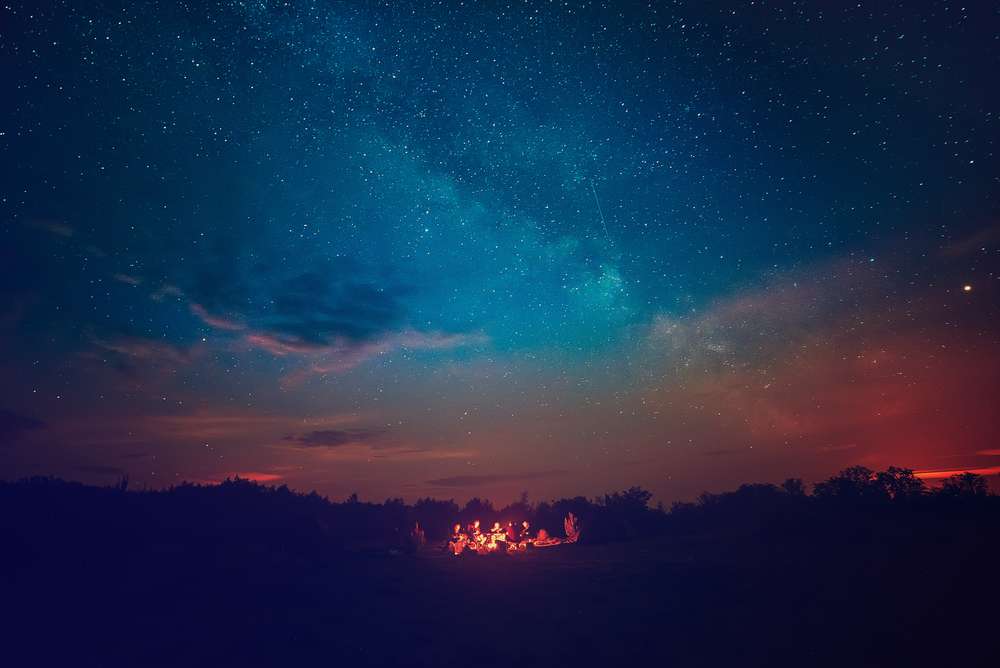
stars in night sky The human body runs according to a circadian rhythm, or a 24-hour cycle. This rhythm regulates many functions in the body, with one of the most basic being the sleep cycle. In the morning, the sun’s natural blue light signals the body to produce a hormone called cortisol, which promotes alertness and focus. When the sun sets and gives off a warmer glow that fades into darkness, the change in light signals the body to make a hormone called melatonin, which promotes relaxation and sleep. The cycle of the sun signals the mind to fall asleep or wake up. There is nothing inherently unhealthy about blue light. Problems arise, however, when we interrupt that natural shift in light temperature by exposing ourselves to blue light for hours after the sun has set. The blue light from your light bulbs and device screens signal the body to keep making cortisol instead of switching to melatonin. This disrupts the circadian rhythm and natural sleep cycle, which can make it harder to fall asleep at the end of the day. While a late-night TV binge here and there won’t cause much trouble, regularly disrupting the natural sleep cycle by several hours can lead to health problems.

Get Better Sleep With Balanced Light

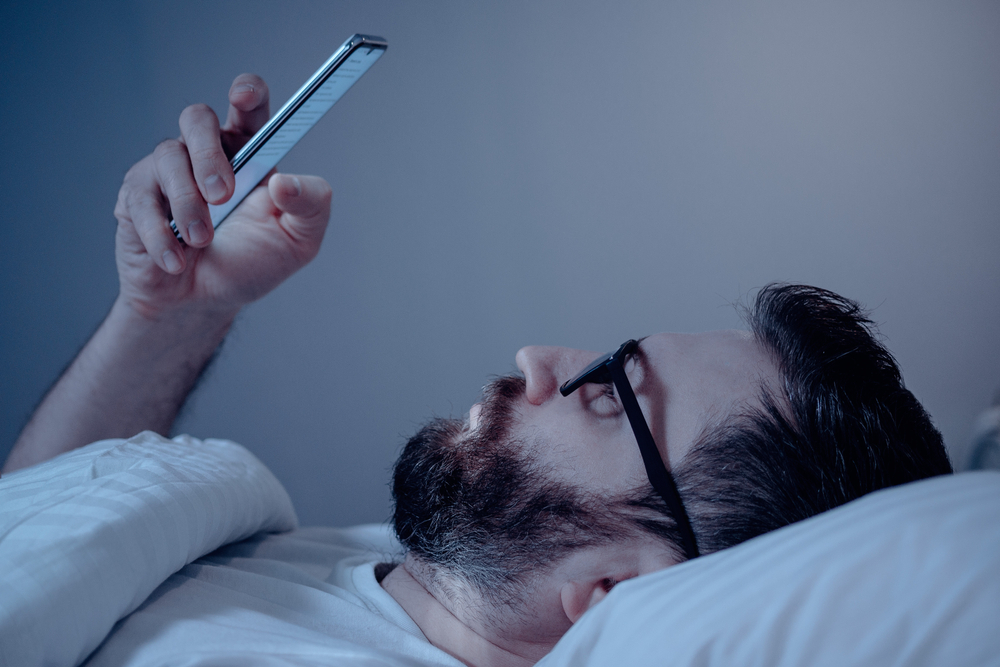
man looking at phone Good sleep is crucial to overall good health. Our bodies need that time to rest and restore each day. The brain uses sleep to create new pathways to retain what it learned during the day, so one major side effect of poor sleep is poor memory. Studies have also linked increased anxiety, depression, obesity, diabetes, and heart disease with poor sleep. These risks are greater in children. So what can you do to avoid the destabilizing effects of blue light? The obvious answer is to avoid all blue light after sunset, but that’s just not practical. The key to this issue is balance. Cool, blue light is only a problem when it overtakes the natural balance with warm, red light. Find ways to bring that balance back into your home by limiting blue lights and increasing warm light after dark. It’s a pretty easy fix once you know what to look for. A simple switch to warm bulbs (often called “soft white”) and limited screen usage at sunset will have long-term benefits for the whole family by promoting healthy, natural sleep.

How Light Affects Your Mood

couple Have you ever noticed that many sit-down restaurants feel as if they are only half-lit? This isn’t done to save on the electricity bill, there’s a science behind it! Restaurateurs take advantage of both types of light to keep their business running smoothly. Warm, dimmed lighting in the dining areas naturally relaxes guests and encourages quiet. The kitchens are brightly lit with cool light to help everyone working there to be fully alert and productive while working at high speed. You can do the same thing in your home once you know how it works. Warm, red light is naturally less bright than blue light, so it will feel softer in your home. Use it in the places where you spend time at night to help you wind down and relax. It’s also a great choice for family gatherings or an intimate dinner date at home, where you can use warm light to naturally make everyone feel comfortable. Bright light enhances emotions, making us more aware of everything we’re feeling. If you notice that bedtime is a constant source of chaos at your home, try dimming the light in bedrooms, hallways, bathrooms, etc. It won’t instantly make them perfect sleepers, but it will definitely help you to foster a calm wind-down strategy at the end of the day.
How to Use Warm Light At Home

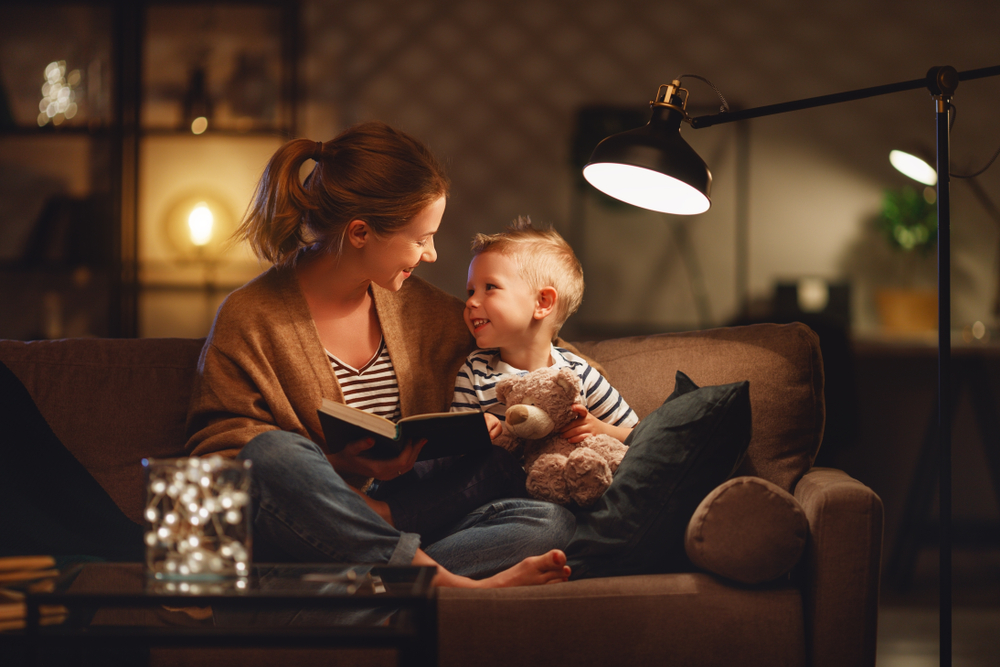
mom and son Older incandescent bulbs are a great source for warm light, but they’re being phased out in the lighting industry in favor of safer and more efficient alternatives. But that doesn’t mean you need to break out the candles just yet! LED stands for “light-emitting diode”. Essentially they’re microchips that glow as electricity passes through them. This design not only makes them up to 90% more efficient than incandescent bulbs, but it also makes them versatile. LED bulbs come in a wide variety of color temperatures, and they can be paired with dimmers to set the mood. Some are even color-changing, so that you can switch back and forth from warm to cool using a remote or an app. If you just don’t love the look of a standard LED bulb, there are beautiful Edison bulb style LED options available! They’ll still give you that soft, warm, old-world charm with all of the same energy efficiency and safety advantages.

Where to Use Warm Light

When you’re planning where you want to introduce warm light in your home, think about the main uses for each space. One method is to designate each space in your home as an active or rest area. Active areas are places where you’re working. Blue light promotes focus and alertness, so it’s great to have in places like the kitchen, homework stations, home office, and garage. Rest areas are places where you want to relax and feel comfortable. They’re often gathering places like the living room or dining room, or night-time areas like hallways and bedrooms. Some rooms will have a combination of uses, so you’ll want to use a combination of light types! Bathrooms could use a mix, as blue light is great for a makeup table but warm light is more relaxing for a soak in the tub. Large great rooms might have seating and dining spaces that are rest areas, and study desk and food prep spaces that are active areas. Play around with lamps, dimmers, and smart bulbs to get the right balance for the way you use your home. mom nursing baby This world feels chaotic at times, and finding balance can feel daunting. We can’t help much with office politics or your crazy neighbors, but when it comes to lighting we know a thing or two about helping you find just the right light for your home. If you’re ready to start creating a balanced home with warm light, give us a call or stop by our showroom. Our lighting experts are happy to answer your questions and help you get started!
Filed Under: 2022, Wellness & Safety

Design Trend Inspo: 70s Retro Lighting

Design Trend Inspo: 70s Retro Lighting

by admin · May 24, 2023

The bold prints, color pops, and unique shapes of the 70s are here again, and we can’t get enough! Modern takes on 70s design may be a little less harsh, but they still have plenty of the iconic warm colors, funky fixtures, and unexpected choices.

If you’re looking for fun ways to inject a little bit of personality into your home’s design, look no further than these adventurous, retro-inspired interiors!

Warm Colors

What could be more 70s than orange and green? While 1970s interiors were overwhelmed with avocado green, harvest gold, and burnt orange, today’s retro-inspired decor stays more neutral, bringing in pops of these retro colors with accent pieces throughout the space instead.

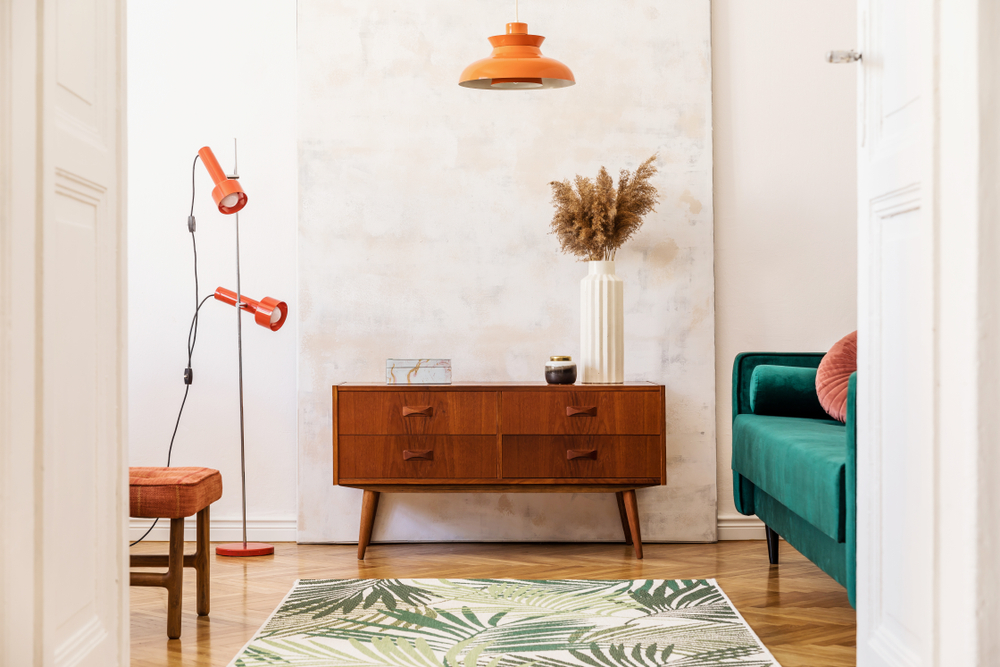
In this 70s-inspired living room, the orange lamps add a fun pop of color next to a mid-century style table and green couch. Paired with a neutral white wall and wood floor, the colors feel bright and fun without being overdone. 

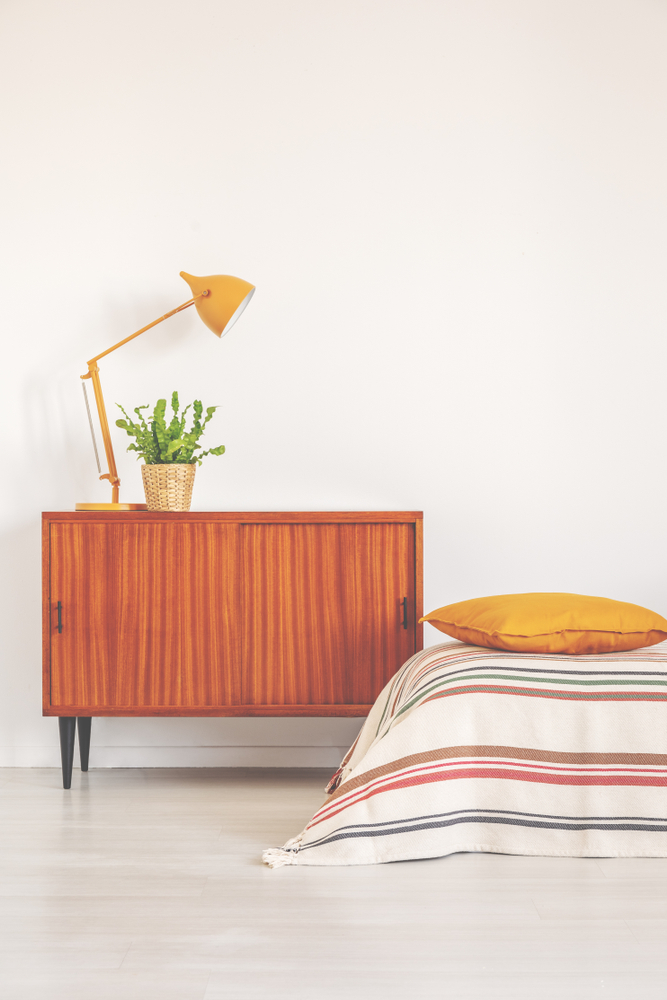
These soft neutral creams and tans, combined with natural materials, set off this fun bright orange lamp in a way that perfectly balances modern and retro in one comfy space.

Pro Tip: If orange, tan, and green aren’t your thing – keep reading! There are a lot of other ways to incorporate this fun and unique style!

Geometric Silhouettes

Nothing says “style” like a unique lamp in a funky retro shape. These geometric designs create fun silhouettes, and they’ll go with anything!

Pendants lights were a permanent fixture of the 70s. These lantern-style pendants look like they could have been taken right out of the disco era! The calm, neutral color deftly balances out the busy, varied shapes and lines.

This curvy pendant light brings back the groovy vibes of the 70s, but with sleek modern finishes.

Some fixtures demand your attention the moment you enter the room, like this asymmetrical design that can’t help but be noticed. The round curve at the top is also a trademark of 70s decor. 

Domed Tops

Rounded tops scream “retro”. Finding fixtures with a domed shape is a great way to add a subtle touch of retro to any room.

This cream table lamp’s rounded metal shade gives off subtle 70s retro vibes without distracting from the calm, neutral design. 

These domed silver pendants bring an unexpected mix of modern and retro designs to this otherwise very neutral space. Their curves help to balance out all of the harsh straight architectural lines in this space to make it feel more welcoming. 

This domed top is easy to find in a wide variety of fixtures from lamps to pendants – and in a wide range of colors and finishes. You’re sure to be able to find one that matches your room while giving a subtle nod to the 70s. 

Pro Tip: Domed fixtures don’t need to be basic. Don’t be afraid to look for unique designs and textures that match your space! 

Modern Twists

One trick to finding 70s-inspired lighting is to find fixtures that incorporate retro and modern touches in the same piece. 

These modern pendants give a slight nod to the 70s, but live in 2022. Their modern, sharp lines and matte black color are right at home in this minimalist earth-toned room, while their retro, curvy, geometric shapes warm up the space. 

These retro-inspired pendants have a modern industrial vibe. The brushed metallic gray tones complement the cool green decor, and their unique shape and design are a great conversation starter! 

This bold pink room carefully balances several modern and retro elements, which makes this rounded pendant in a bright, modern pink finish a perfect fit.

Think Outside of the Box

Outside-the-box thinking is another hallmark of 70s style. Retro-inspired lighting often includes using lights in a different or unexpected way. 

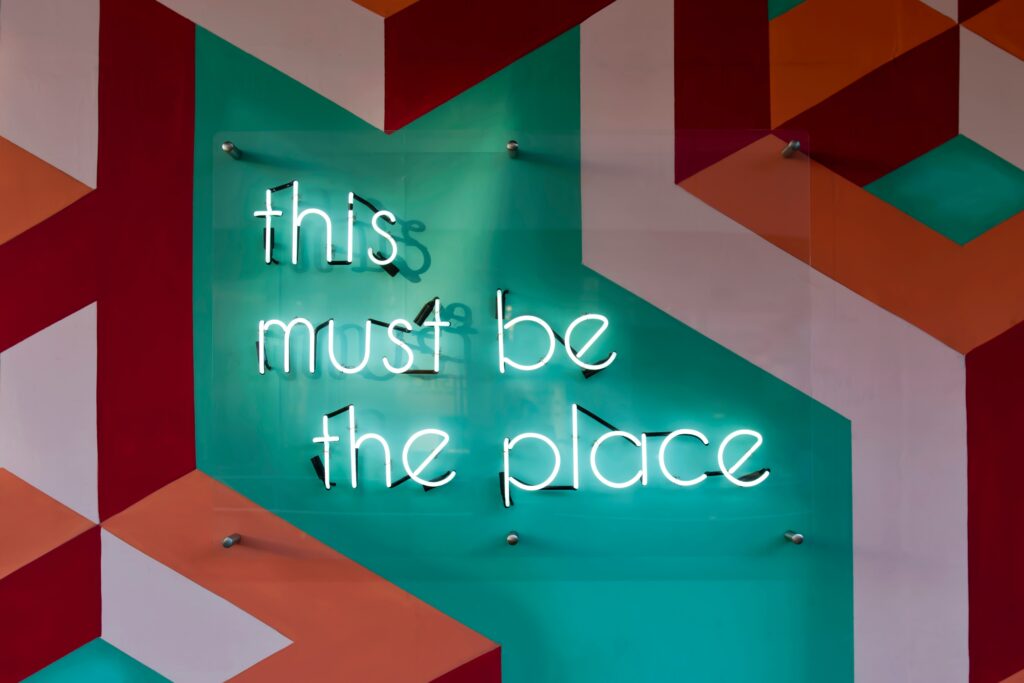
This wall has all the 70s colors and shapes we know and love. Neon lights give off a strong retro ambiance – but they can break easily. Modern takes on this trend use LED lights, which last much longer. 

This unusual fixture is another perfect example of thinking outside of the box. We love how this light’s unique shape and placement make an understated yet bold addition to the room. (Anyone else want to relax here with a good book?)

Pro Tip: Don’t let the fear of making a design mistake stop you from taking a risk! Some of the best designs happen when you’re willing to let go of convention and try something new!

—————-

One of our favorite things about 70s Retro Design is that there’s something for everyone. From the bold, funky, and adventurous maximalist to the subtly nostalgic minimalist, anyone can spice up their home with a little bit of 70s funk! 

—————-

Ready to join the disco-lovers of the past? Stop by our showroom or give us a call to see what retro-inspired lighting can do for your home!

Filed Under: 2022, Styles & Trends, Styles and Trends

How to Choose the Right Bathroom Vanity Lighting

How to Choose the Right Bathroom Vanity Lighting

by admin · May 17, 2023

When done right, your bathroom lighting should be able to take you from a bright morning routine to an evening spa break to a midnight trip to the restroom without feeling too over or underpowered in any scenario.

Most builder-grade vanity lights just don’t cut it. They’re often too high, too bright or dim, and don’t really add much to the design of your bathroom. So if you’re ready to try something new, we’ve compiled a list of the most common vanity light fixtures to help you figure out precisely what you (and your bathroom routine) need to create the bathroom oasis you deserve. 

Here is a short list of light fixtures and bulbs to consider so that you’ll be prepared to balance the functionality and style according to your budget and available space.

Types of Vanity Light Fixtures

Your bathroom vanity includes the mirror, counter, sink, and surrounding lighting. Vanity lighting is often the only source of light in the bathroom – and it largely determines your experience there. So it’s important to get it right!

There are several types of vanity light fixtures, each with its own set of benefits. Which one you choose is up to you – but make sure you consider both style and function to make sure you’re happy with the result.

Vanity Light Bar 

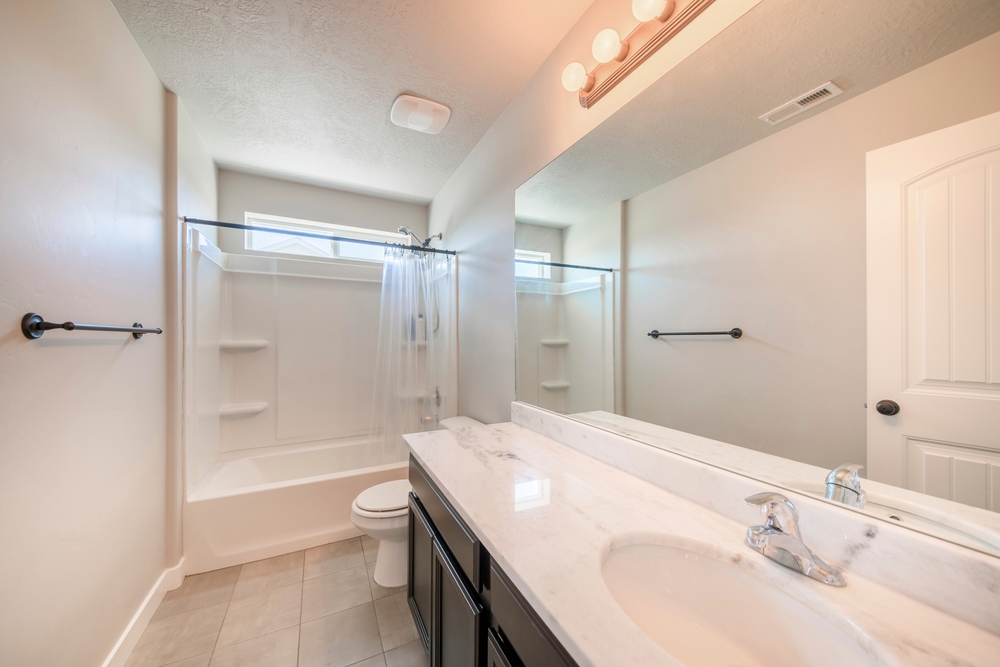
Light bars are the most common fixture for bathroom vanities because they’re easy to install and give off a lot of light. Light bars consist of a long base (the bar) with light emanating from its entire length. They’re usually mounted just above the mirror from a single, central wiring box. 

Most people picture a base with multiple bulbs sticking out into the room, like you’d see in a “builder’s grade” new home or surrounding the mirror in a makeup artist’s studio. Other light bars consist of a single, long light source, such as a sleek LED bar or a fluorescent tube. 

The advantage to installing light bars is that they create even lighting with fewer shadows. (Anyone who’s ever done makeup or shaved using a bathroom mirror knows how important that is!)

Pro tip: The most crucial part of successfully using a light bar is getting the proper proportions. Ensure the bar is at least 75% the mirror’s width and never longer than the counter below. Keeping the bar at least 6-6.5 ft high will give even light without shining directly into your eyes. 

Mirror-framing Sconces 

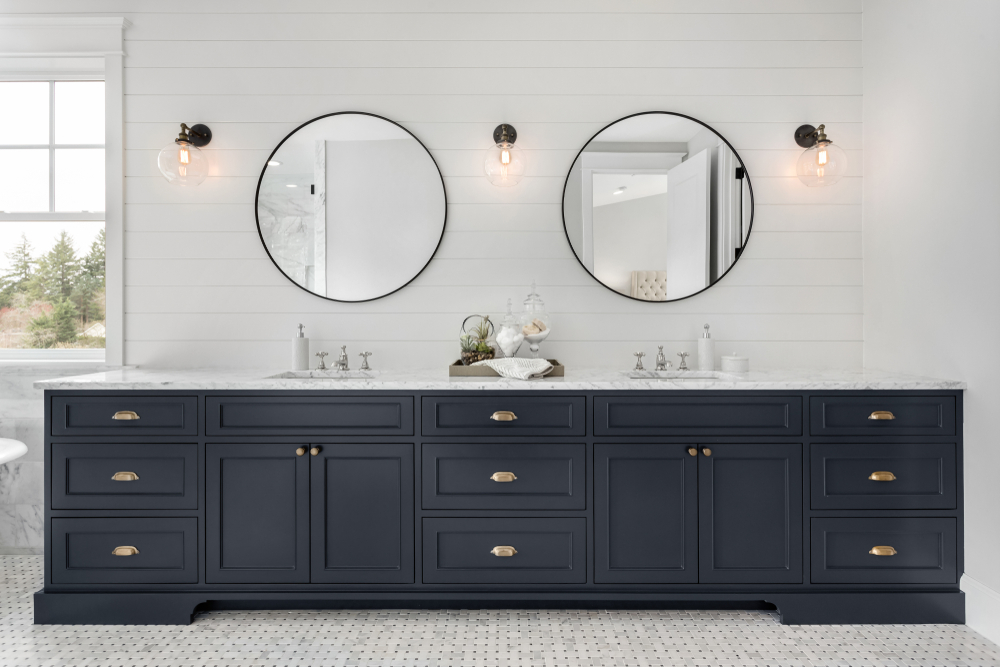
Sconces are light fixtures that attach to the wall rather than the ceiling. They’re often found above the center of the mirror, although it’s worth considering placing your sconces on either side of the mirror– you’ll get the best light for your morning routine and playfully break from tradition! 

The number of bulbs and types of shades will impact your placement. Some shades only allow for downward light, so those work best up high. Glass shades are a little more forgiving – they’ll shine light on your face when installed above or to the side of the mirror. 

Not only are sconces an excellent fit for lighting your vanity, but they also make a statement. You’ll show that you put real thought into your bathroom design by using a non-traditional fixture.

Pro tip: We recommend mounting sconces with the center of the fixtures about 60″ high and about 28″ apart. Try installing one on either side of your mirror to get even, shadow-free light on your face as you’re getting ready.

Unexpected Pendants

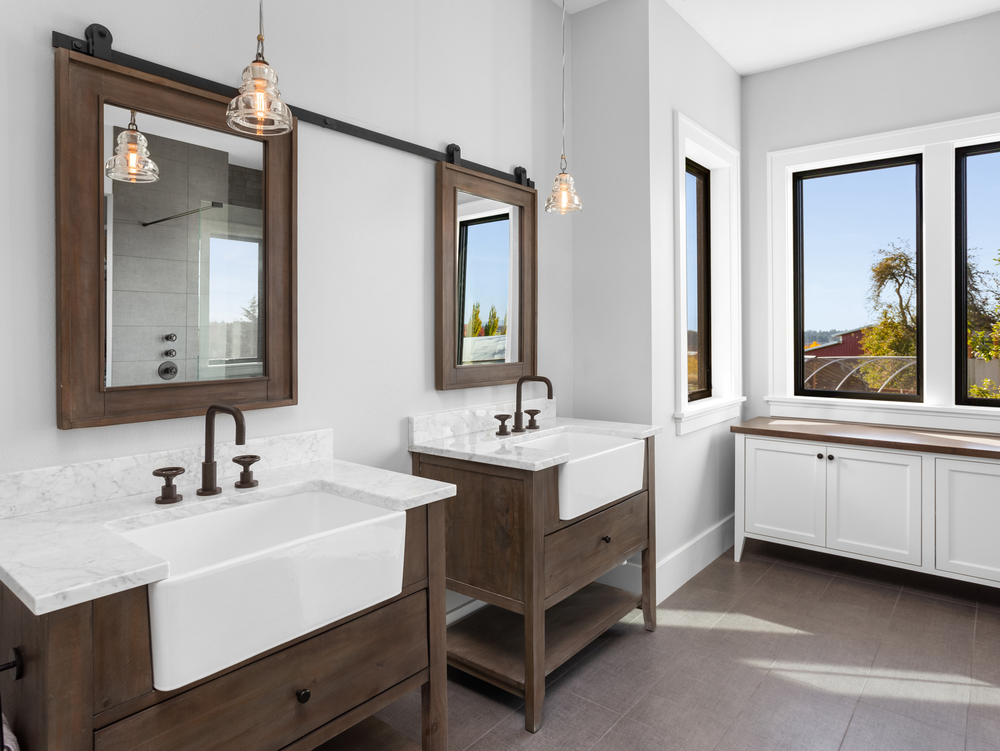
If you’re looking for a way to make your bathroom look unique, try out pendant lighting. These fixtures hang directly from the ceiling, with the bottom of the shade right above eye level. Not only are pendants a bold statement, but they’re also a versatile option if you’re short on space.

In a bathroom, sconce and pendant placement guidelines are very similar. A single pendant directly over the mirror is an excellent option for small bathrooms. They also work well as a pair, framing the mirror on either side. 

Because pendants have an extra “wow” factor, they’re also sometimes used in larger groups to create a design element. For example, this designer hung multiple pendants along the mirror – and we think it turned out great!

Pro Tip: We recommend spacing your pendants about 30 inches apart to avoid harsh lighting. Also, keep in mind the pendant’s ability to shine directly onto the mirror– a thin or transparent shade will reflect a lot of light. It’s a good trick to make your space feel brighter but may cast unexpected shadows.

Modernize with LEDs

For a modern (and energy-efficient) touch, consider opting for LED lights. They last for years, cost little to run, and come in a wide variety of color options.  LED light bulbs can be installed in almost any fixture in place of a traditional bulb.

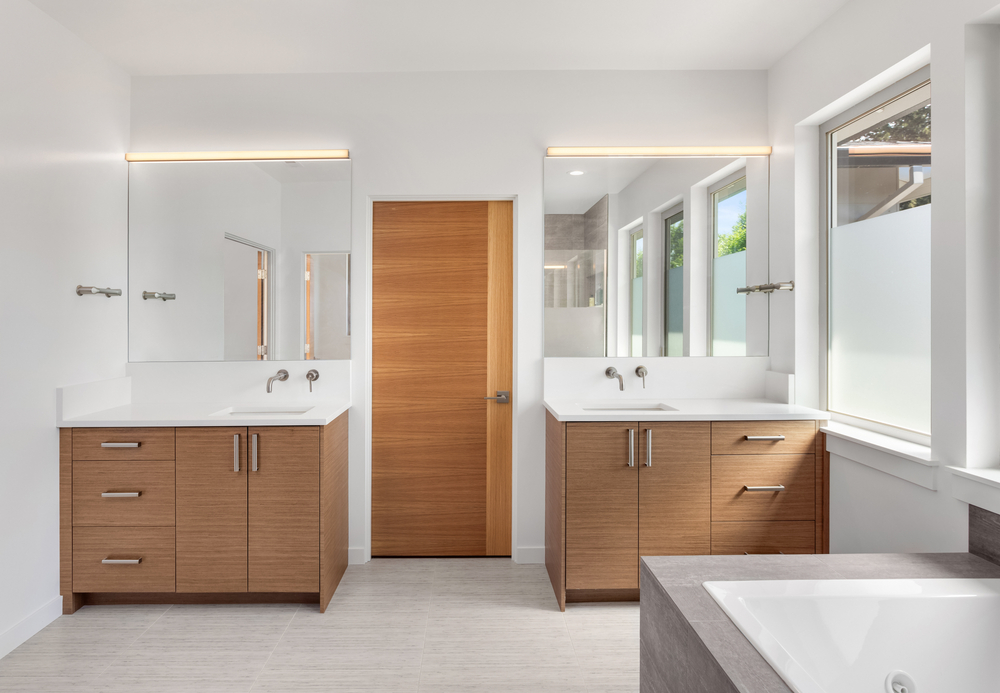
Some light fixtures come with LED lights already integrated, which means you’ll never have to change a bulb for the life of the fixture. While these mirrors come in a variety of styles, they’re most often found in sleek, modern bathrooms with a minimalist feel. 

LED strip lights may be an unexpected choice for the bathroom. They’re easy to install (some are even peel-and-stick!) and will make your bathroom feel high-end with just a little bit of creativity. As vanity lighting, try installing them behind a mirror to give a soft, luxurious glow. 

Pro tip: Because they are so small, LED strip lights can be tucked in unexpected places, like along the underside of a mirror to light the counter, or along the bottom of a floating vanity to light the space underneath. Adding light to dimly-lit edges and corners of your bathroom will make it feel bigger!

When to Hire a Pro

If you own a newer home and have tools handy, you can probably handle most light fixture upgrades yourself. But not all fixture update projects are created equal. For example, you may have an older home that requires electrical updates, don’t own tools, need new circuits for new fixture locations, or simply don’t feel comfortable with an electrical project. 

Electricians will ensure your new fixture is installed quickly and safely. Not sure how to hire a qualified electrician? No problem! Your local lighting showroom can often connect you to a great pick– and offer a wider selection of fixtures while you’re there!

Ready to update your bathroom vanity? The experts at Western Chandelier can help you find the right fixture for your room, budget, and style. Contact us today!

Filed Under: 2022, Bathroom, Bathroom Lights

« Previous Page
Next Page »

Copyright © 2026